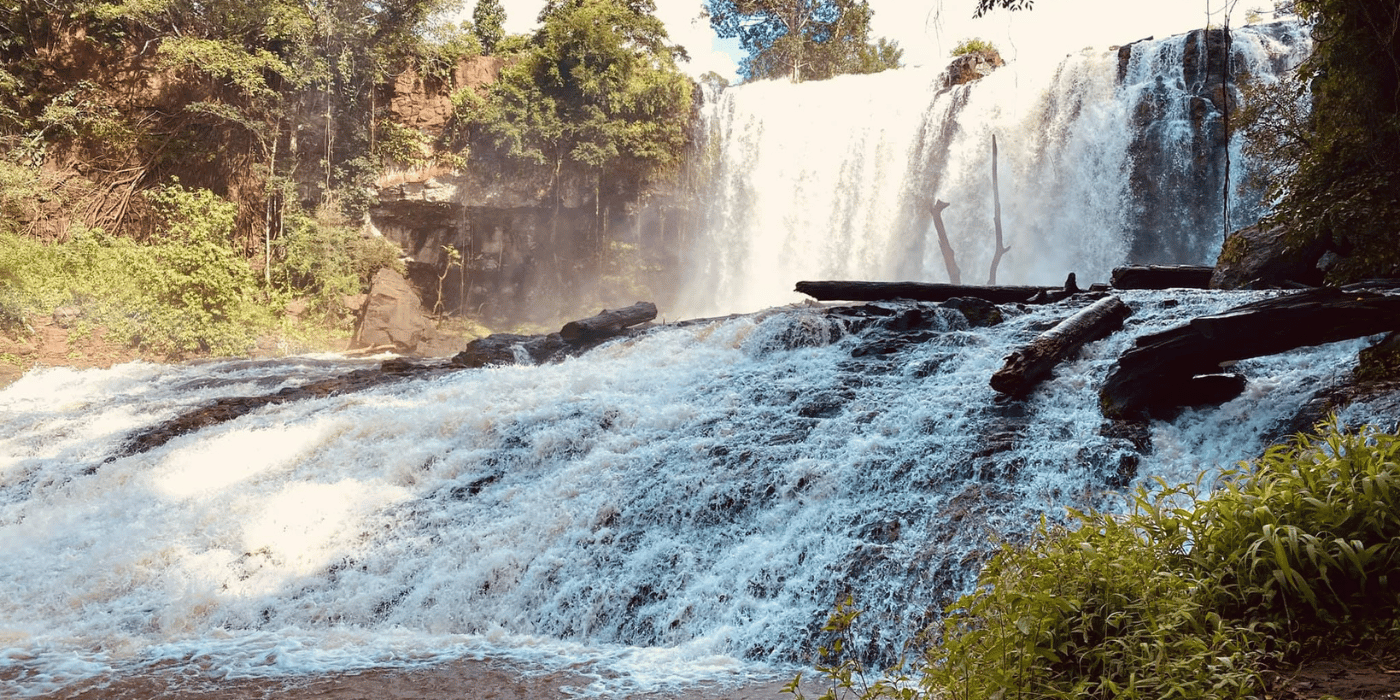
A Guide to Visiting Bousra Waterfall in Mondulkiri
By Vimean Soksan · October 28, 2025 · Thing To Do
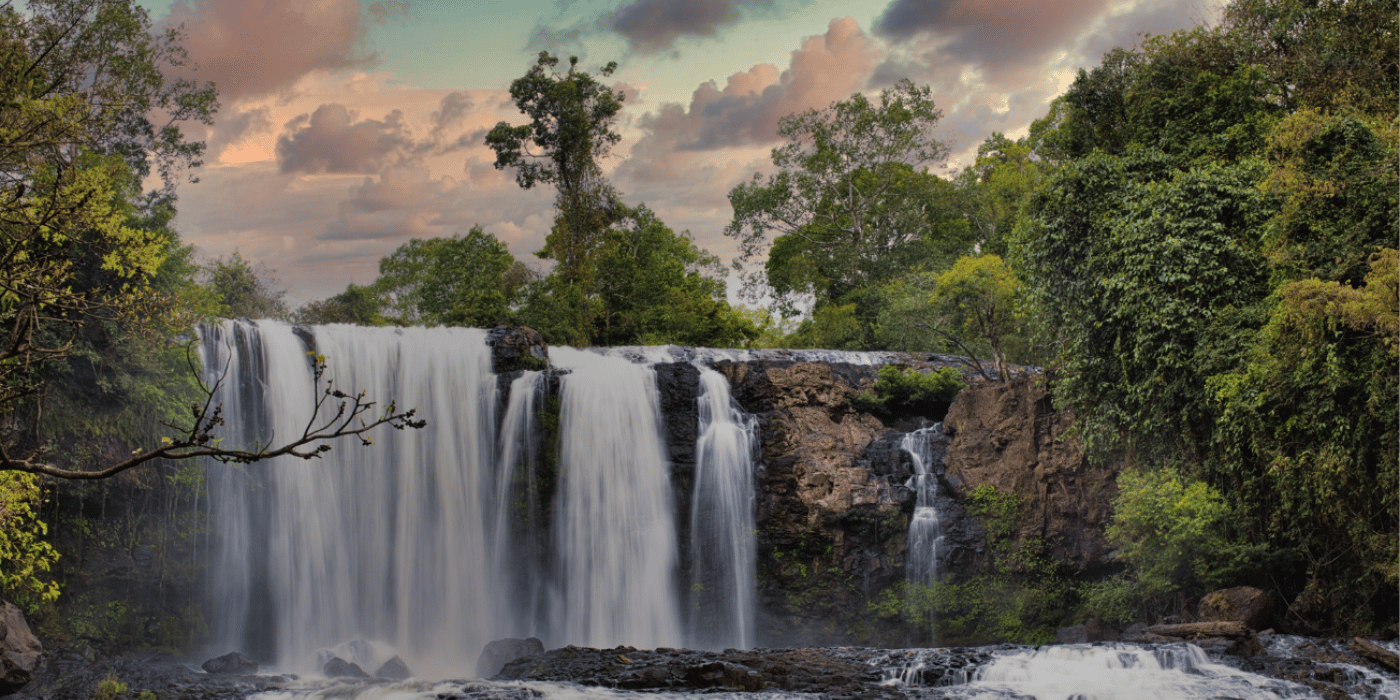
Situated at the foot of Doh Kramom Mountain in the Pich Chenda district, approximately 43 kilometres northeast of Sen Monorom, Bousra Waterfalls stand as one of the most breathtaking natural wonders in Mondulkiri Province. Widely regarded as the most beautiful and renowned waterfalls in the region, Bousra is also recognised as a major ecological attraction in Southeast Asia. The waterfalls are nestled deep within a lush, relatively untouched forest, offering visitors a serene and picturesque setting that feels worlds away from the bustle of city life. Surrounded by dense greenery and vibrant wildlife, the site provides a perfect escape for nature lovers, with crystal-clear pools ideal for swimming and shaded spots perfect for picnicking. This combination of stunning natural beauty and tranquil atmosphere makes Bousra Waterfalls a must-visit destination for travellers seeking both adventure and relaxation in Cambodia’s wild eastern highlands.
Exploring BouSra Waterfalls
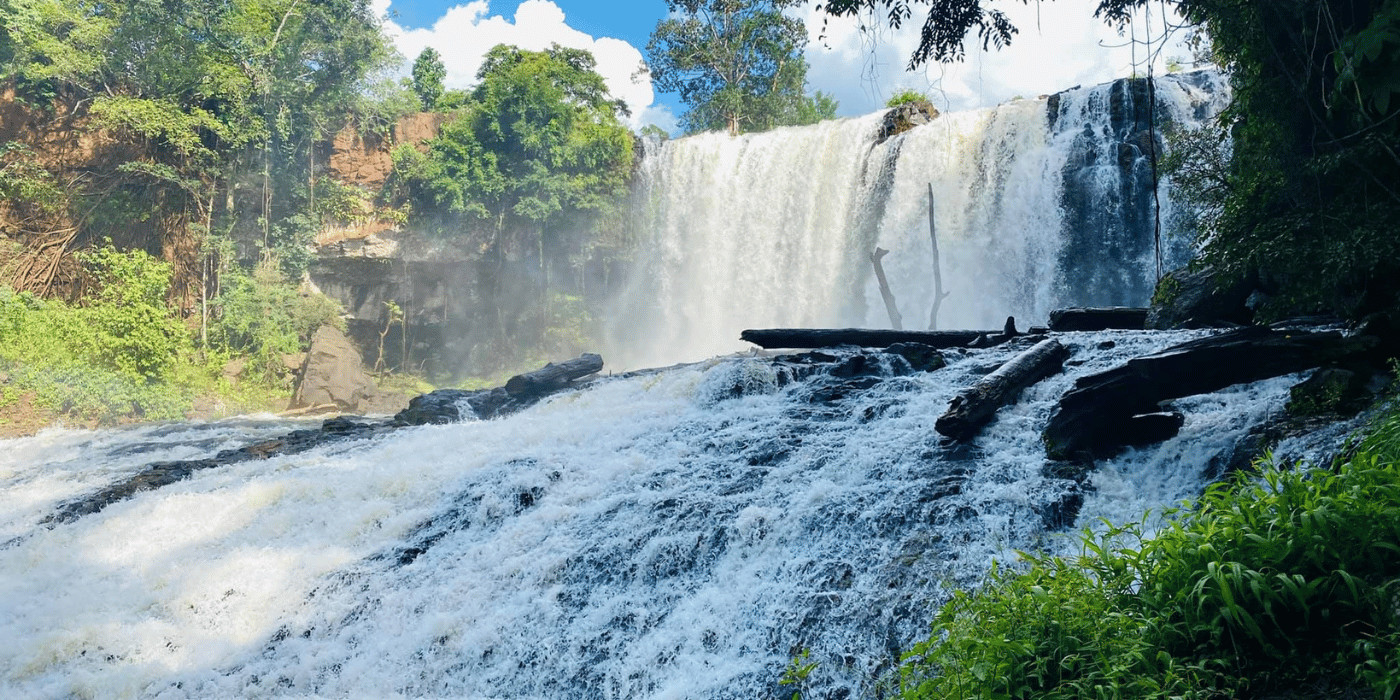
Bousra Waterfall consists of three distinct tiers, with the upper level reaching approximately 10 meters in height and the lower level dropping about 25 meters. Each tier forms a natural pool, and the levels are connected by stairways for easier access.
The first tier spans 15 meters in width and cascades from a height of over 12 meters. During the dry season, the width of the waterfall narrows to around 10 meters.

Approximately 150 meters downstream from the first tier, the second tier plunges from heights between 18 and 25 meters and spans over 13 meters across. In the rainy season, the water flow expands to cover up to 20 meters in width, with a height ranging from 15 to 20 meters.
The third and final tier is the most powerful and rapid. However, it remains inaccessible to most tourists due to its remote location deep within dense forest. The presence of dangerous wildlife and the lack of infrastructure make access to this area unsafe.
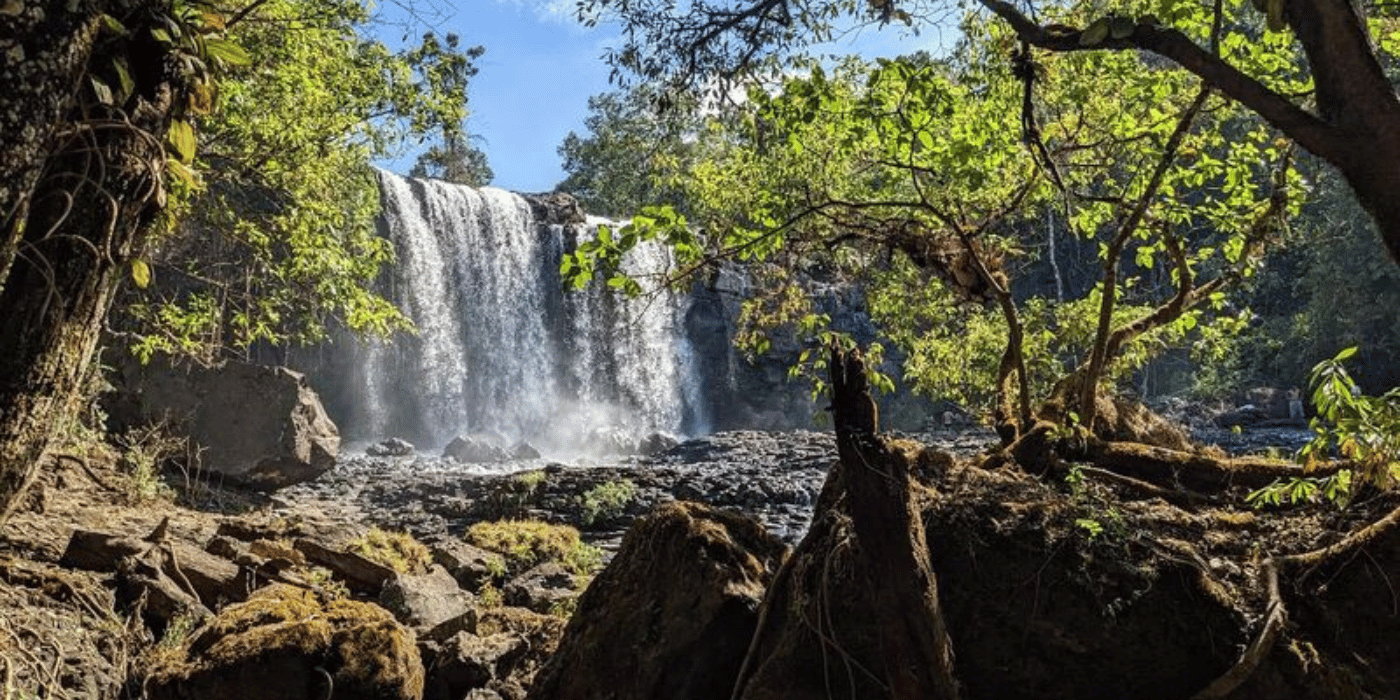
Visitors on a self-guided tour can explore the Bousra Ecological Park, which covers over 119 hectares. This park provides a fascinating glimpse into the rich biodiversity of Mondulkiri’s jungle, home to dense tropical forests filled with a wide variety of plant and animal species.
For those interested in cultural immersion, nearby Pichinda Village is well worth a visit. This ethnic Phnong (Bunong) village, located close to the falls, offers an authentic look into the lifestyle and traditions of Cambodia’s indigenous communities. Nestled deep in the jungle, you’ll find traditional stilted huts with thatched roofs. Local villagers may also offer handmade crafts and traditional beverages for sale, adding a meaningful cultural dimension to your visit.
🌊 What Makes BouSra Special?
Bousra Waterfall is truly a unique natural treasure, standing out not just for its breathtaking beauty but for the rich experience it offers visitors. What makes Bousra special is its three-tiered cascade, each tier showcasing different levels of power and tranquillity, set against the backdrop of pristine, untouched tropical forest. This combination creates a peaceful oasis where you can swim in natural pools, picnic under the shade of ancient trees, and soak in the sights and sounds of the jungle.

Beyond the visual spectacle, Bousra is part of a larger ecological park spanning over 119 hectares, which preserves the diverse flora and fauna of Mondulkiri’s rainforest. The waterfall is also closely connected to the local indigenous Phnong (Bunong) community, offering visitors an authentic cultural experience through nearby villages where traditional lifestyles and crafts thrive.
The waterfall’s relative remoteness means it remains less crowded than many other tourist spots, allowing visitors to enjoy a more serene and immersive nature experience. Whether you’re a nature enthusiast, a culture seeker, or someone simply wanting to unwind away from the city, Bousra Waterfall offers a truly special escape that combines natural wonder, biodiversity, and cultural heritage in one unforgettable destination.
The Best Time to Visit BouSra Waterfall
The best time to visit Bou Sra Waterfall largely depends on the kind of experience you’re looking for. During the dry season, from November to May, the weather is more predictable, and the roads are easier to navigate. The waterfall offers a clear, gentle flow, making it an ideal time for photography, swimming, and relaxation. This season is perfect for families and those seeking a peaceful, laid-back visit.
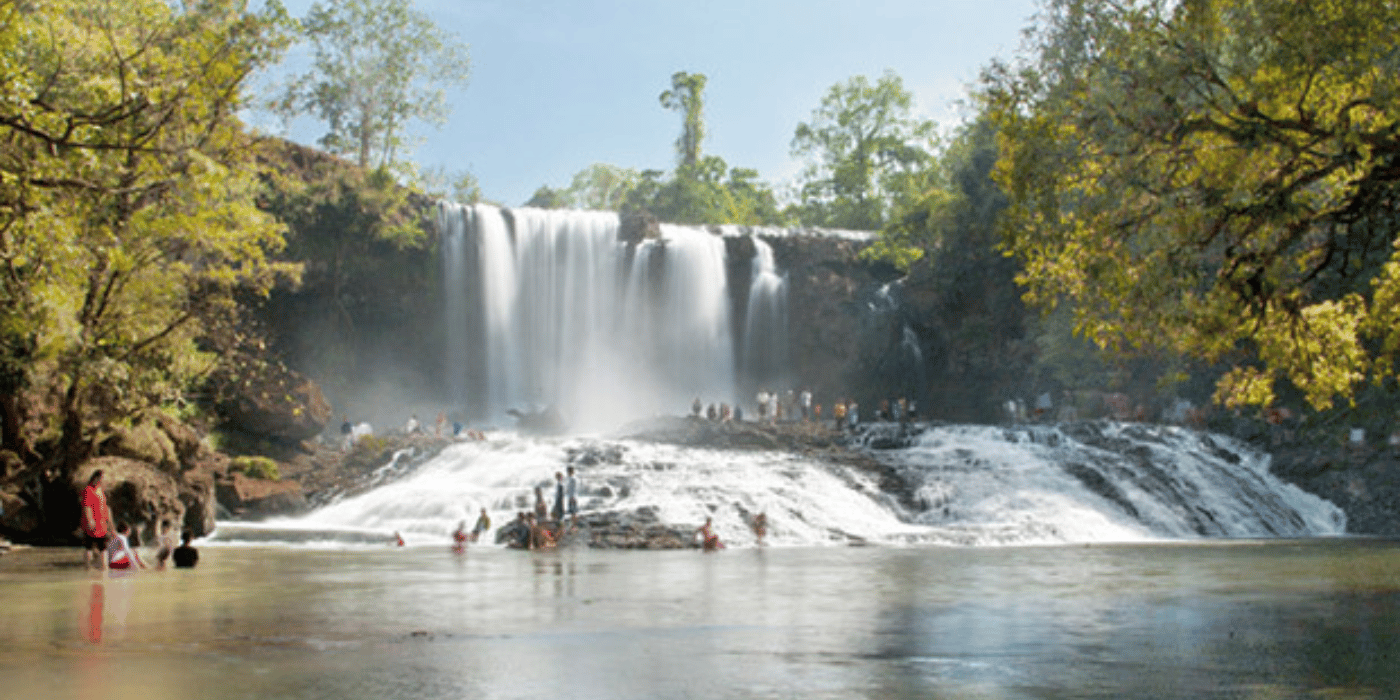
In contrast, during the rainy season, from June to October, Bou Sra transforms into a powerful and dramatic spectacle. The surrounding forest turns lush and vibrant, enhancing the beauty of the falls. However, the trails and roads can become slippery and challenging to traverse, so this season is better suited for adventurous travellers who don’t mind a bit of rough terrain.
No matter the season, visiting early in the morning is recommended to enjoy the waterfall in a calm and serene atmosphere before the crowds arrive.
Things to Do at BouSra Waterfall
Waterfall bathing: Take a refreshing dip in the cool, crystal-clear pools of Bou Sra Waterfall. Immerse yourself in the fresh mountain air, listen to the soothing sounds of cascading water, and enjoy the melodies of birdsong echoing through the forest.

Trekking: For the more adventurous, there are several hiking trails that lead to stunning viewpoints overlooking the waterfall and the surrounding jungle. Don’t forget your camera, the panoramic views and natural beauty here are truly breathtaking.

Enjoy local cuisines: Near the waterfall, you’ll find opportunities to taste traditional dishes prepared by the indigenous Bunong people. These often include unique specialities made from wild meats and fresh forest vegetables, offering an authentic taste of local culture.

Visit nearby attractions: While exploring Mondulkiri Province, consider visiting other highlights such as the provincial capital, Sen Monorom, or nearby elephant sanctuaries where you can learn about elephant conservation. Visitors may also have the chance to experience Bunong traditions and ways of life through cultural tours and village visits.
Overall, Bou Sra Waterfall is a versatile destination that offers something for everyone, whether you seek adventure, relaxation, or cultural immersion.
How to Get to BouSra Waterfall
Getting to BouSra Waterfall is an adventure in itself, taking you through some of Cambodia’s most scenic and untouched landscapes. While it requires some planning, the journey is well worth it for the breathtaking views and the unique experience that awaits.
Step 1: From Phnom Penh to Sen Monorom:
Your journey begins in Phnom Penh, Cambodia’s bustling capital city. To reach Mondulkiri Province, you’ll need to travel to its capital, Sen Monorom, which serves as the gateway to Bou Sra Waterfall and many other natural attractions in the region.

The most common and convenient way to get from Phnom Penh to Sen Monorom is by bus. Several companies operate this route, but one of the most reputable and comfortable options is Kimseng Express. This company provides daily services with modern, air-conditioned buses equipped with reclining seats, making the long journey more comfortable.
- Duration: The bus ride typically takes 6 to 7 hours, depending on traffic and road conditions. The road winds through scenic countryside and small villages, giving travellers a glimpse of rural Cambodia.
- Booking: Tickets can be booked online, through local travel agencies, or directly at the Kimseng Express office in Phnom Penh. It’s advisable to book in advance, especially during holidays or weekends.
- Departure points: Buses usually leave from the Phnom Penh Central Bus Station or Kimseng Express’s own terminal.

For travellers wanting a more flexible schedule or faster travel, private car hires or taxis are also available, though these options tend to be more expensive.
Step 2: From Sen Monorom to Bou Sra Waterfall:
Once you arrive in Sen Monorom, the next leg of your journey takes you closer to the natural wonder of Bou Sra Waterfall, located roughly 35 to 43 kilometres northeast of the town.
Since public transport options beyond Sen Monorom are limited, you’ll need to arrange local transportation to reach the waterfall:
- Motorbike rental: Renting a motorbike is a popular choice for adventurous travellers who want the freedom to explore the region on their own schedule. Motorbike rentals are widely available in Sen Monorom at affordable daily rates (around $10–15 USD per day). The route to Bou Sra Waterfall is mostly on a red dirt road, which can be bumpy and challenging, especially during the rainy season, so experience with off-road riding is recommended. The trip usually takes about 2 to 3 hours.
- Tuk-tuk hire: If you prefer a more relaxed option or are travelling with family or a group, hiring a tuk-tuk is a convenient and comfortable way to reach the waterfall. Tuk-tuks can be hired from Sen Monorom’s town centre or arranged through your guesthouse or hotel. The driver may also offer to take you on a round trip, waiting for you while you explore the falls. The cost varies depending on negotiation and group size, but expect to pay around $30–50 USD for a day trip.
Travel Tips and Considerations
- Road conditions: The road from Sen Monorom to Bou Sra Waterfall is unpaved and can be rough, particularly during the rainy season (June to October). Be prepared for slow travel and possible slippery or muddy sections. If you’re not comfortable driving a motorbike on such terrain, a tuk-tuk or private car is recommended.
- Timing: It’s best to start your journey early in the morning from Sen Monorom to allow enough time to explore the waterfall and return before dark. The site is open from 7:30 AM to 6:30 PM.
- Guides and tours: For those interested in learning more about the local ecology and culture, guided tours are available. These often include transportation, a knowledgeable guide, and sometimes visits to nearby Bunong villages or elephant sanctuaries.
- Safety: Always wear a helmet when riding a motorbike and bring a valid license. Carry enough water, sunscreen, and insect repellent, and let someone know your plans if travelling solo.
🏞️ Conclusion
Visiting Bousra Waterfall is not just a stop on your Mondulkiri itinerary’s a chance to truly immerse yourself in Cambodia’s natural beauty and cultural richness. With its powerful cascades, peaceful forest setting, and deep connection to the Bunong community, Bousra offers a unique blend of adventure, serenity, and meaning. Whether you come for a quick photo, a refreshing swim, or to spend a quiet afternoon surrounded by nature, Bousra Waterfall will leave you with lasting memories. As one of Mondulkiri’s most iconic destinations, it’s the perfect place to slow down, reconnect with the earth, and experience the wilder side of Cambodia.