
Explore Mondulkiri in 2025: What to Know Before You Visit!
By Vimean Soksan · October 27, 2025 · Travel Guide
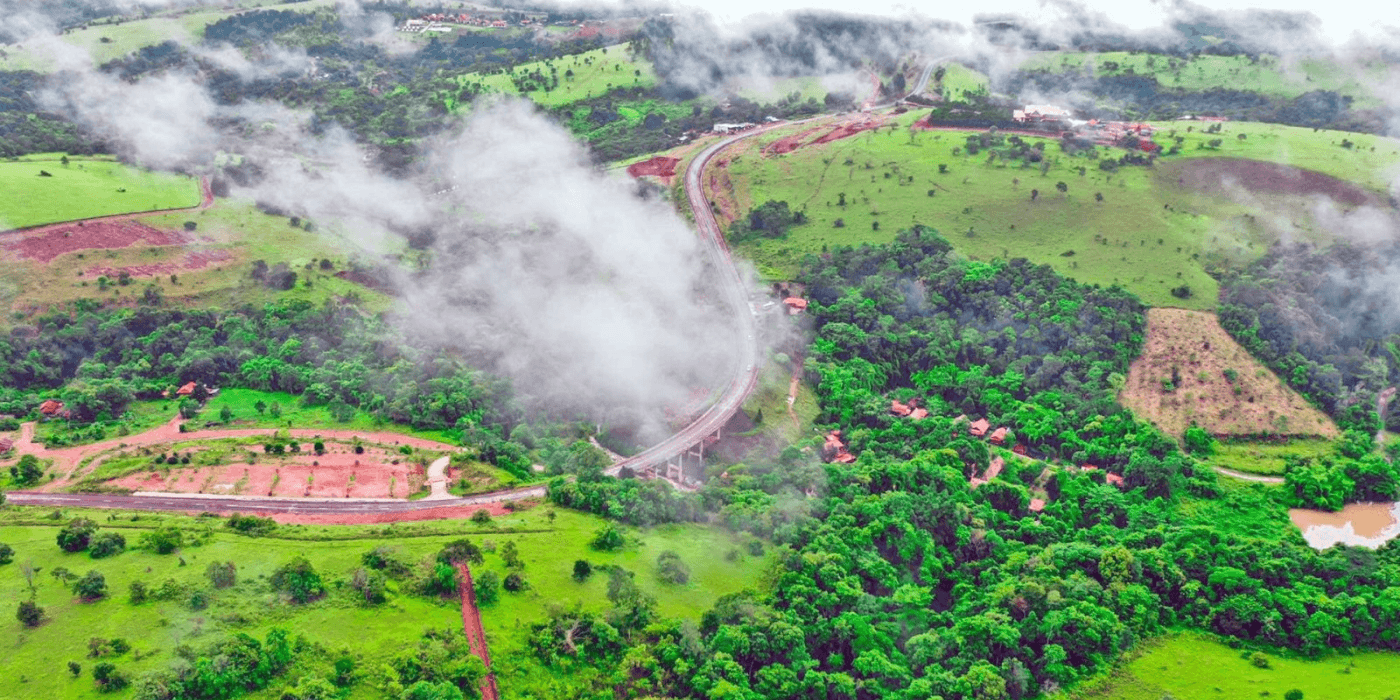
Mondulkiri, located in the remote northeastern region of Cambodia, is a province celebrated for its natural beauty, rich biodiversity, and vibrant indigenous culture. Known for its rolling hills, dense forests, and spectacular waterfalls, the region offers a peaceful escape from the busy tourist trails. The landscape is home to protected areas, including Phnom Prich and Srepok Wildlife Sanctuaries, as well as the Keo Seima Biodiversity Conservation Area, which shelters endangered species such as the pileated gibbon and the yellow-cheeked crested gibbon.
Mondulkiri is also renowned for its ethical elephant sanctuaries, particularly the Mondulkiri Project, which offers one- and two-day jungle treks where visitors can observe elephants in their natural habitat, enjoy traditional Bunong meals cooked in bamboo, and explore nearby waterfalls. The province is rich in cultural diversity, home to indigenous communities like the Bunong, Kroeung, and Mnong, whose traditions and lifestyles can be experienced through village visits and community-based homestays. Popular attractions include the majestic Bou Sraa Waterfall, the panoramic Sea Forest lookout, the spiritually significant Doh Kromom Mountain, and local coffee plantations where visitors can sample freshly brewed highland coffee and purchase native honey. With its mix of adventure, cultural immersion, and natural wonder, Mondulkiri offers a truly unique and enriching travel experience in Cambodia.
Top Attractions in Mondulkiri Province
Here’s a list of the top attractions in Mondulkiri Province, Cambodia, perfect for nature lovers, adventurers, and those seeking authentic cultural experiences:
1. Bousra Waterfall
Bousra Waterfall, one of the most iconic natural attractions in Cambodia, is situated at the base of Doh Kramom Mountain in Pich Chenda District, approximately 43 kilometres northeast of Sen Monorom, the capital of Mondulkiri Province. Known for its breathtaking beauty and serene surroundings, Bousra is widely regarded as the most stunning and famous waterfall in the province. It also ranks among the top ecological destinations in Southeast Asia, drawing nature lovers, photographers, and adventure seekers from around the world.
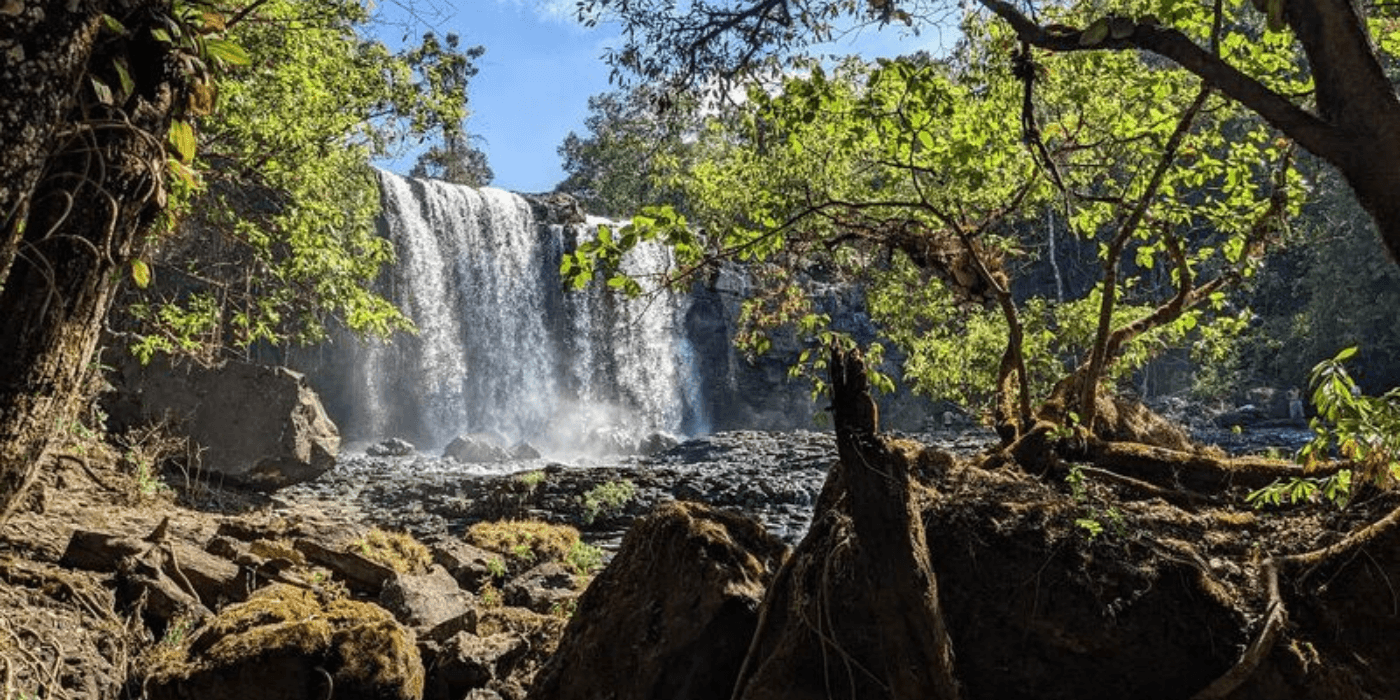
The waterfall is set within a lush, relatively untouched forest, offering visitors a rare glimpse into the region's rich biodiversity and unspoiled natural environment. Bousra features a multi-tiered cascade, with water plunging powerfully over large rock formations, creating natural pools below that are perfect for swimming and relaxing. The sound of rushing water combined with the cool, fresh mountain air provides a peaceful escape from the hustle and bustle of city life.
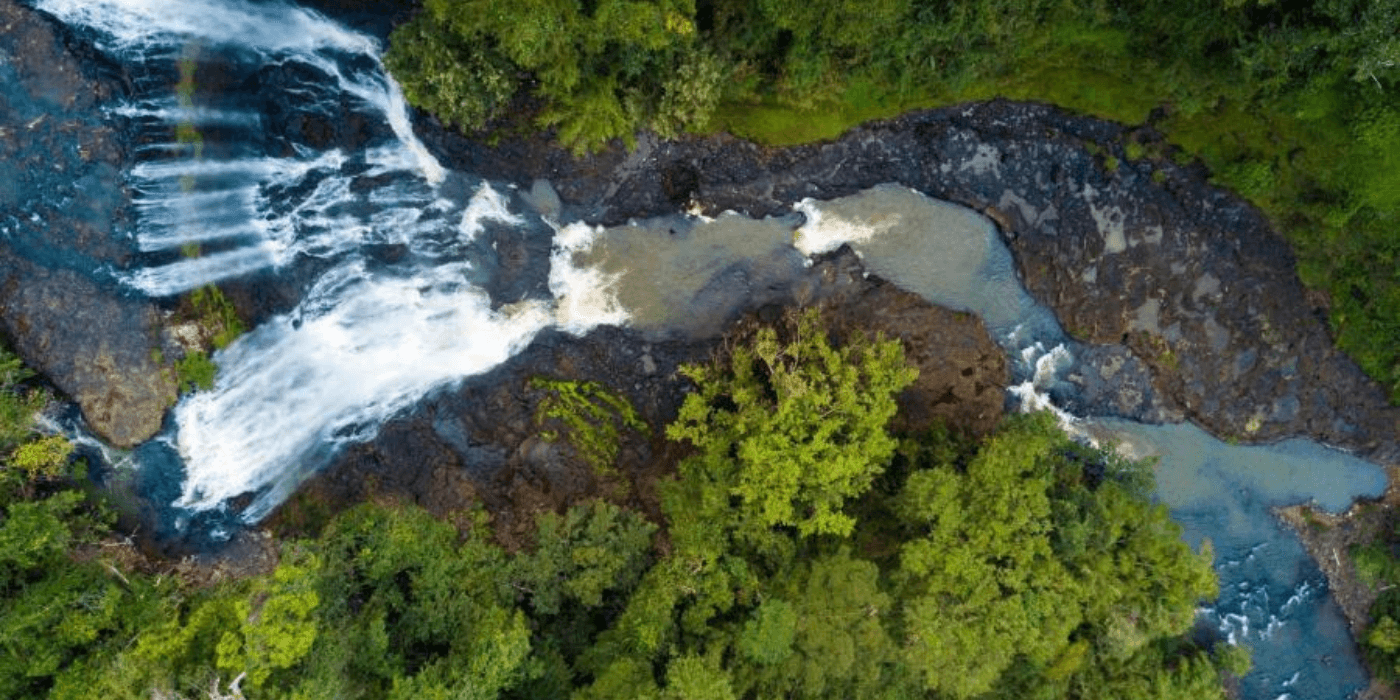
The area around the waterfall is also ideal for picnicking, with shaded spots and scenic views that make it a favourite destination for both locals and tourists. During the rainy season, the waterfall is at its most impressive, with a stronger flow and even more dramatic scenery. In recent years, efforts have been made to improve accessibility and eco-tourism infrastructure in the area, while still preserving the natural beauty and cultural heritage of the site.

Visiting Bousra Waterfall offers not only an opportunity to connect with nature but also to experience the rich traditions of the indigenous Bunong people who live in nearby villages. Their unique culture, close relationship with the land, and warm hospitality add to the depth and richness of any visit to this remarkable location.
2. Phnom Doh Kramom
Doh Kramom Mountain (ភ្នំដោះក្រមុំ), also commonly referred to as Phnom Doh Kramom, is a well-known natural landmark located in Sangkhat Sokh Dom, within Sen Monorom Municipality, Mondulkiri Province, Cambodia. The mountain is situated approximately 2 kilometres from the Kouprey Roundabout (Kouprey Circle), making it easily accessible for both residents and tourists exploring the area.
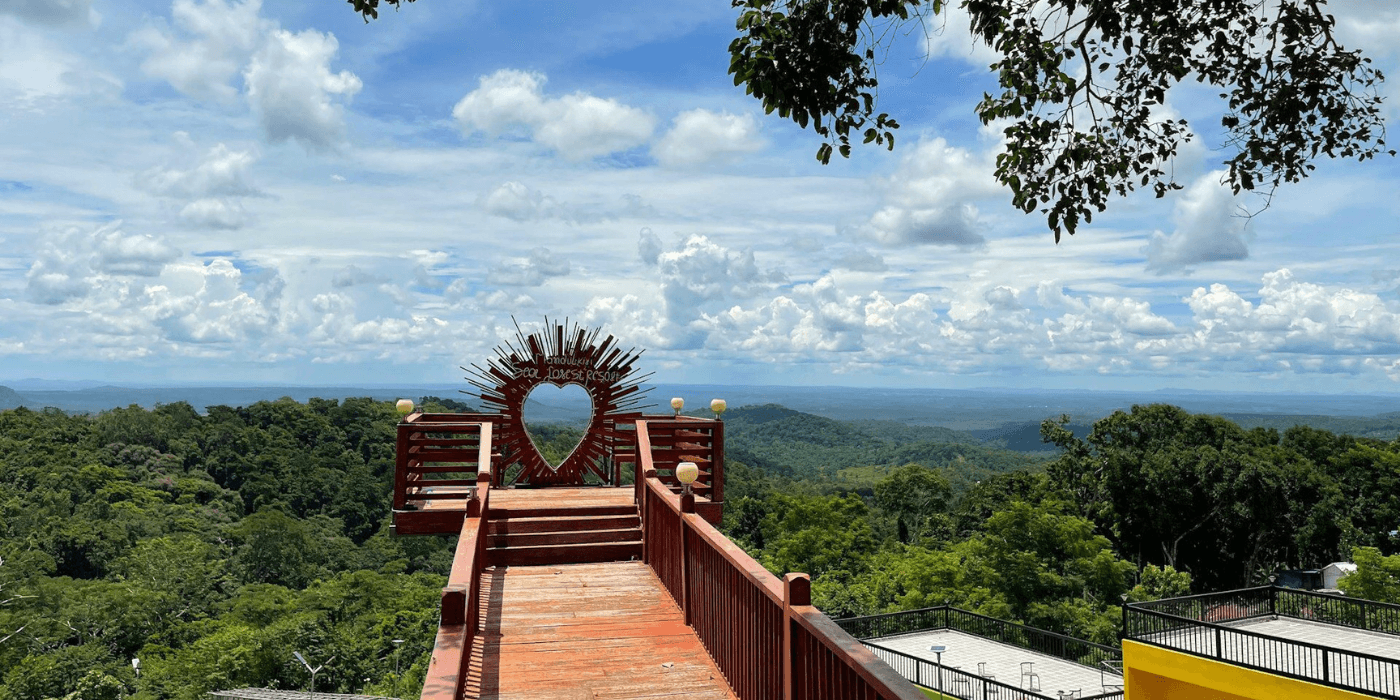
This mountain holds both natural and cultural significance. In the Bunong indigenous language, “Doh Kramom” means “Maiden’s Breasts,” a name inspired by the shape of the twin peaks that resemble a woman's chest. The site is also associated with local legends and spiritual beliefs, making it not only a scenic destination but also a place of cultural reverence. Visitors often come to the mountain for its breathtaking panoramic views of the surrounding rolling hills and forests, especially at sunrise and sunset, when the landscape is bathed in warm, golden light. The area offers a peaceful and refreshing atmosphere, ideal for sightseeing, quiet reflection, and photography.
Doh Kramom Mountain is categorised as a natural mountain attraction and is popular for activities such as enjoying the mountain scenery, watching the sunrise and sunset, and taking in the fresh highland air. Unlike more remote or rugged destinations, travelling to Doh Kramom Mountain is relatively easy and does not require hiking, river crossings, or boat rides. The road is accessible by motorbike or car, and there is convenient on-site parking available near the base of the mountain.
Whether you're seeking a tranquil escape into nature or simply want to admire the scenic beauty of Mondulkiri's highlands, Doh Kramom Mountain is a must-visit destination that offers both natural charm and cultural depth.
3. Romnea Waterfall
Romanea Waterfall, also known as Romanea Muoy Waterfall, is a serene and scenic natural site located in Poutrou Village, Sen Monorom Commune, within the O’Reang District of Mondulkiri Province, Cambodia. The waterfall is approximately 17 kilometres from Sen Monorom town and can be accessed by a local path, making it a reachable and rewarding destination for visitors seeking natural beauty and tranquillity.
The area surrounding the waterfall is home to more than 70 families who live on a land area of around 28.37 hectares. The local community primarily depends on agriculture for their livelihood, with farming being the main occupation. Nearby, visitors will find plantations of rubber, coffee, cashew, mango, avocado, and pres trees, giving the area a vibrant, cultivated charm that complements its natural beauty.
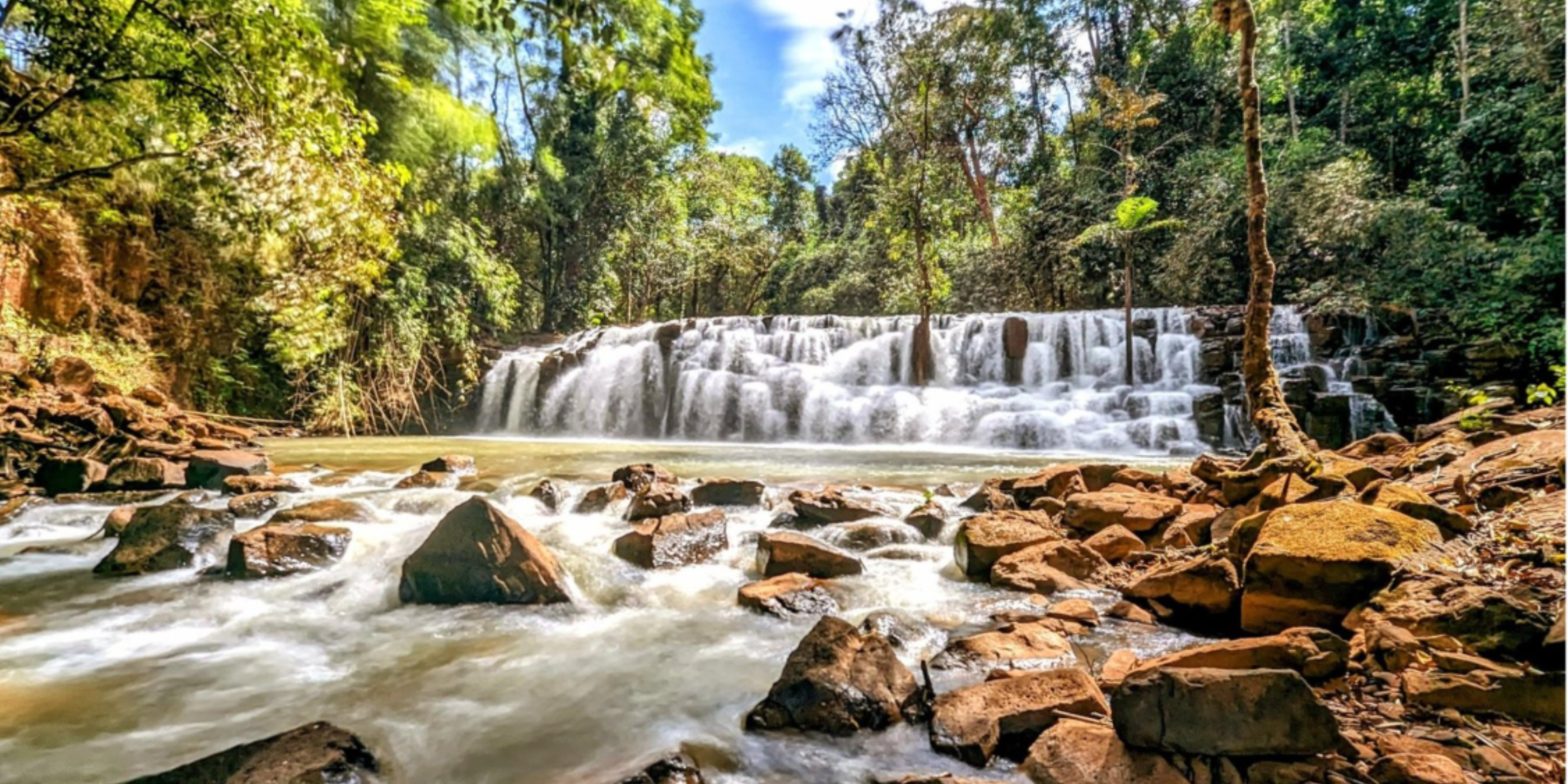
Romanea Waterfall is managed by the Romanea Muoy Waterfall Managerial and Developmental Inter-commune Commission, a local body established by the provincial authorities in coordination with the provincial executive committee. The development and maintenance of the site are also partially supported by DANIDA, a development organisation from Denmark, helping to ensure sustainable tourism and community benefits.
The waterfall varies in appearance with the seasons. During the rainy season, it reaches a height of around 5 meters and spans roughly 10 meters in width, offering a powerful and picturesque cascade. In the dry season, the waterfall grows slightly taller, up to 6 meters, while narrowing to about 8 meters in width, maintaining its beauty year-round. At the base of the falls lies a natural water reservoir, which provides a refreshing swimming area for visitors. Surrounding the site are large, shady trees that offer cool relief from the sun, making it a perfect spot for relaxation and picnics.
Romanea I Waterfall is not just a place of scenic value offers a full experience of nature with its dramatic forested mountains, gently rolling hills, and crisp, clean highland air. It is an ideal destination for eco-tourism enthusiasts, nature lovers, and anyone looking to experience the peaceful landscapes and community spirit of Mondulkiri.
4. Dakdam Waterfall
Dakdam Waterfall (ទឹកធ្លាក់ដាក់ដាំ), also known as Dakdam Rapids or Ou Ronel Rapids, is a beautiful natural attraction located in Dak Dam Commune, O’Reang District, in Mondulkiri Province, Cambodia. It is situated approximately 20 kilometres from the Kouprey Roundabout in Sen Monorom, making it a popular day-trip destination for both locals and visitors exploring the region.

This site is categorised as a natural waterfall and eco-tourism destination, offering a peaceful escape into nature. Surrounded by lush forest and rich biodiversity, Dakdam Waterfall is known for its cool, fresh air and unspoiled landscape, typical of the highlands of Mondulkiri. The area is ideal for various outdoor activities such as swimming, relaxing by the water, and having picnics under the shade of tall trees. The waterfall flows into a clear stream, forming natural pools where visitors can take a refreshing dip and enjoy the tranquil atmosphere.
Although the road to Dakdam Waterfall is accessible, reaching the site may involve a light trek of about 10 kilometres, depending on the route and season. However, the journey is scenic and rewarding, offering views of the surrounding forests, wildlife, and even glimpses into the traditional lifestyle of the local Bunong communities. There is no need to cross rivers or take a boat, and visitors can park their vehicles close to the site.
Dakdam is also known for its cool climate, especially in the early mornings and late afternoons, making it a favourite spot for nature lovers and those looking to escape the heat of the lowlands. The surrounding area is rich in plant and animal life, adding to its value as an eco-tourism destination.
Whether you're looking to swim in clean mountain waters, enjoy a picnic in a natural setting, or simply relax and take in the sounds of the forest, Dakdam Waterfall offers a peaceful and scenic retreat in the heart of Mondulkiri's highland wilderness.
5. Seima Protection Forest
Keo Seima Wildlife Sanctuary (KSWS) and the area surrounding our Jahoo Gibbon Camp, located in the heart of the sanctuary, represent one of the most unique birding and wildlife destinations in Cambodia. Spanning approximately 2,000 square kilometres, this pristine habitat offers a rare opportunity to experience rich biodiversity in a truly immersive way. The comfortable tented safari camp, nestled deep within the forest and featuring a bamboo lounge and delicious Khmer and Bunong cuisine, provides a memorable and authentic ecotourism experience.
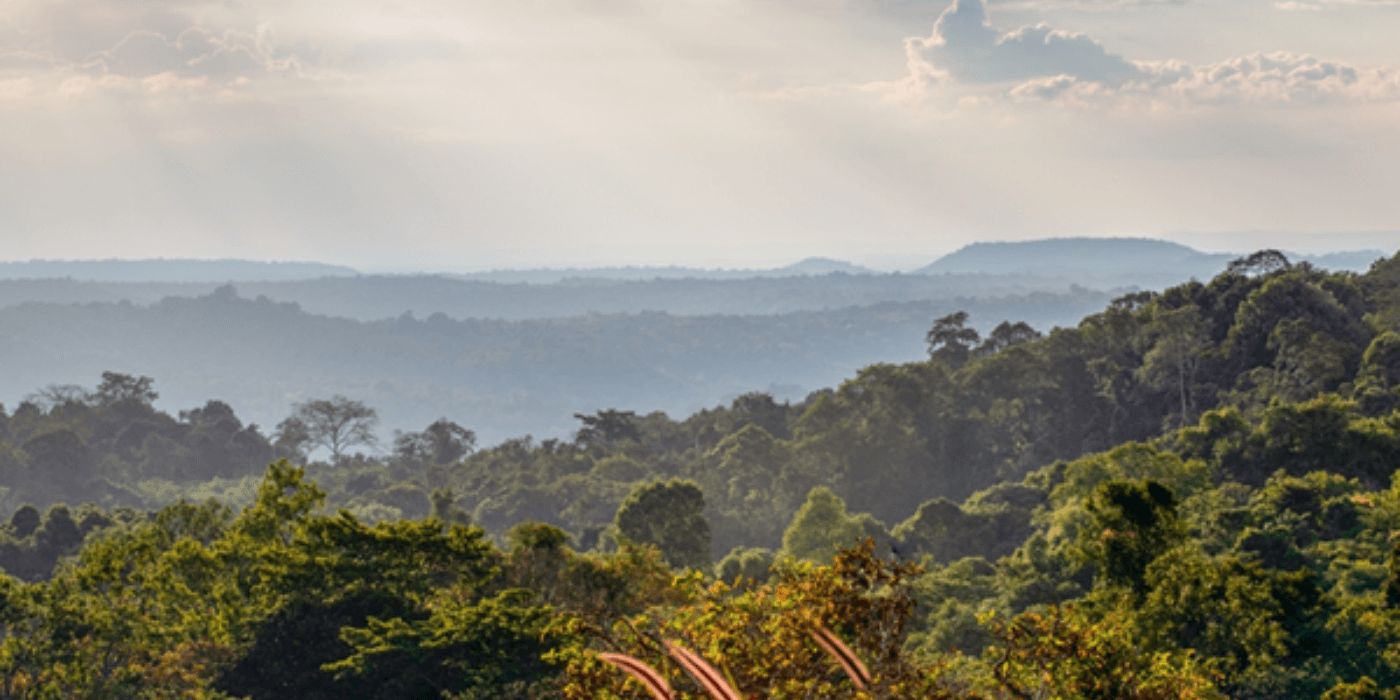
For bird enthusiasts, KSWS is a treasure trove. Key species include Germain’s Peacock-Pheasant, Green Peafowl, Siamese Fireback, Great Hornbill, and the elusive Orange-necked Partridge. The sanctuary also boasts one of the highest concentrations of woodpeckers in the world, with 16 species recorded during SVC (Sam Veasna Conservation) trips. Notable species include the White-bellied, Heart-spotted, Black-and-buff, Great Slaty, and the rare Pale-capped Woodpecker. We are currently developing feeding stations around the camp to attract forest jewels such as Blue and Bar-bellied Pittas, offering even better opportunities for close-up observation.

For wildlife lovers, KSWS is home to the world’s largest known population of Black-shanked Douc Langurs, estimated at over 40,000 individuals. Jahoo Camp is a key site for a collaborative conservation project between WCS (Wildlife Conservation Society) and the indigenous Bunong community to protect the endangered Yellow-cheeked Crested Gibbon. Early morning walks with the gibbon research team are a highlight for many visitors. Other primates in the area include Pig-tailed and Long-tailed Macaques, as well as Germain’s Silvered Langurs. Pygmy Lorises and Small-toothed Palm Civets can often be spotted during night walks. The surrounding bamboo forest is also a known feeding ground for Asian Elephants. Occasionally, Gaur, Banteng, Eld’s Deer, and Sambar have been sighted by SVC groups, though sightings are never guaranteed.
The sanctuary’s incredible range of habitats, including evergreen, semi-evergreen, mixed deciduous, dry dipterocarp, and bamboo forests, supports exceptional biodiversity. To date, over 334 bird species, 93 mammals, and 60 species of reptiles and amphibians have been recorded, making Keo Seima Wildlife Sanctuary a must-visit destination for anyone interested in the natural world.
6. Enjoy the Sen Monorom market
Nestled in the heart of Krong Saen Monourom, the Saen Monourom Outdoor Market is a must-visit destination for travellers eager to experience authentic local culture and discover unique clothing and crafts. This vibrant marketplace offers an impressive array of garments, featuring the colourful textiles and traditional designs that reflect Cambodia’s rich heritage. As you wander through the bustling, colourful stalls, you'll find everything from handcrafted clothing to modern fashion pieces, each item offering a glimpse into Cambodian craftsmanship and creativity.
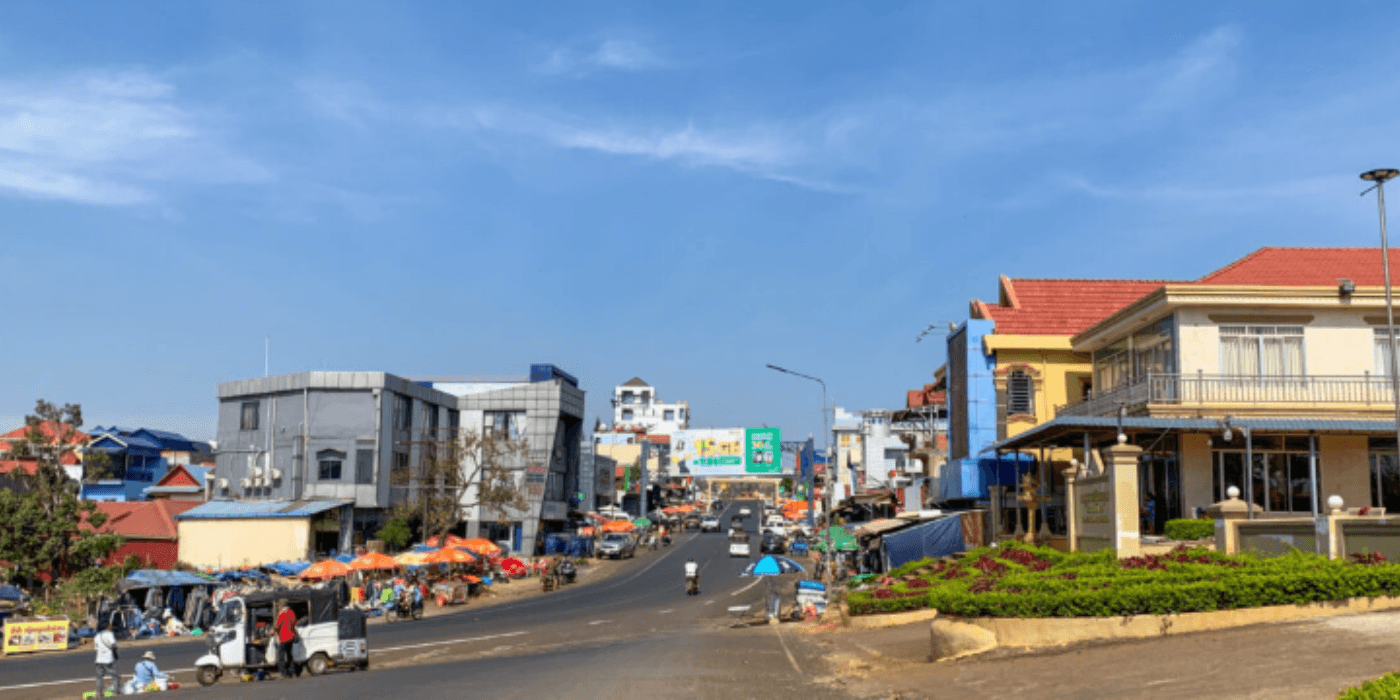
What makes this market truly special is not just the variety of products, but the warm and welcoming atmosphere. Friendly vendors are often happy to share the stories behind their goods, giving you a deeper connection to the local culture and people. Shopping here becomes more than just a transaction; it’s a chance to engage, learn, and build memories.

Beyond clothing, the market is a sensory experience. The air is filled with the enticing aromas of street food and local delicacies. Take a break from browsing to enjoy authentic Cambodian snacks freshly prepared and bursting with flavour. These culinary delights add another layer to your visit, making your time at the market even more enjoyable.
The lively, communal energy of the Saen Monourom Outdoor Market makes it an ideal place to mingle with locals and fellow travellers. Don't hesitate to try a bit of friendly bargaining; it's all part of the experience and often leads to fun, meaningful interactions.
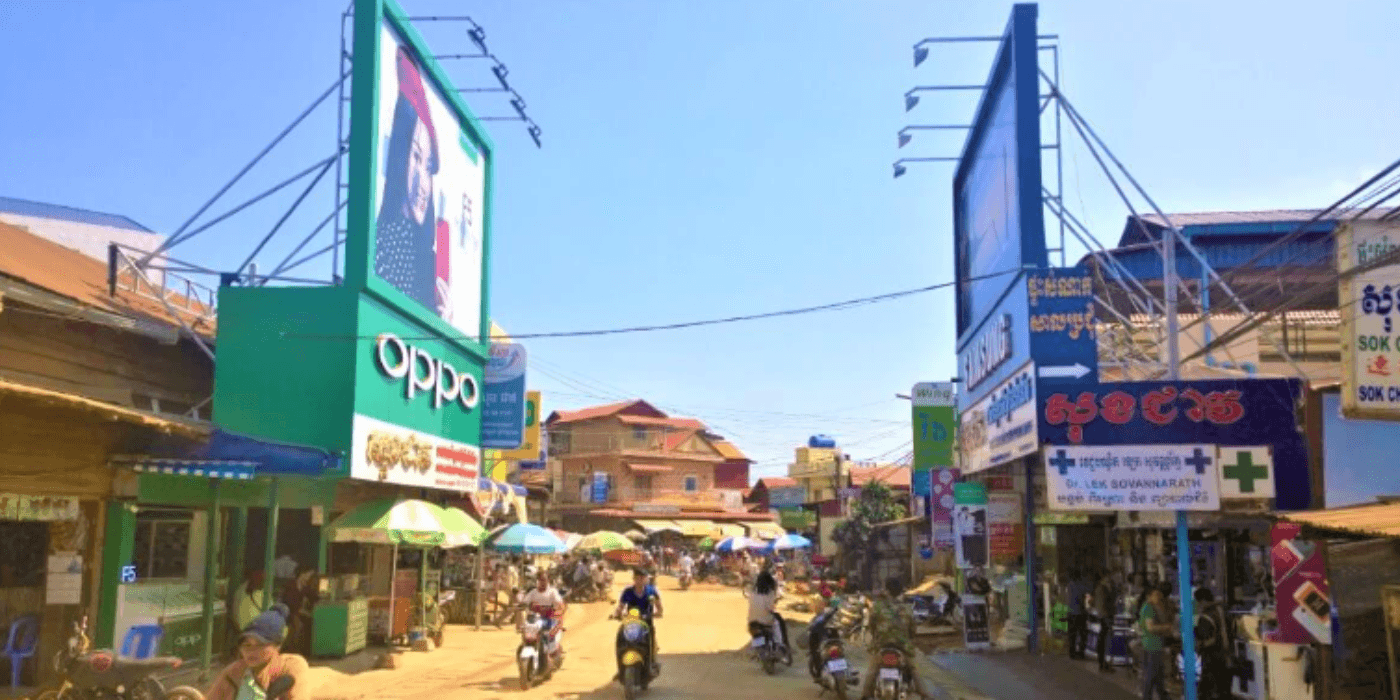
A visit to this market is not just about shopping; it’s about immersing yourself in the vibrant spirit of Mondulkiri. Whether you're searching for a one-of-a-kind souvenir or simply soaking in the local vibe, the Saen Monourom Outdoor Market promises a memorable and enriching experience.
7. Explore the Elephant Valley project
A visit to the Elephant Valley Project is a truly unforgettable experience for animal lovers and responsible travellers alike. Located just outside of Sen Monorom in Mondulkiri Province, this ethical elephant sanctuary is dedicated to the rescue, rehabilitation, and care of overworked or abused elephants. Unlike traditional elephant tourism, the project offers a hands-off, observation-only experience, allowing visitors to watch elephants roam freely in their natural forest habitat.
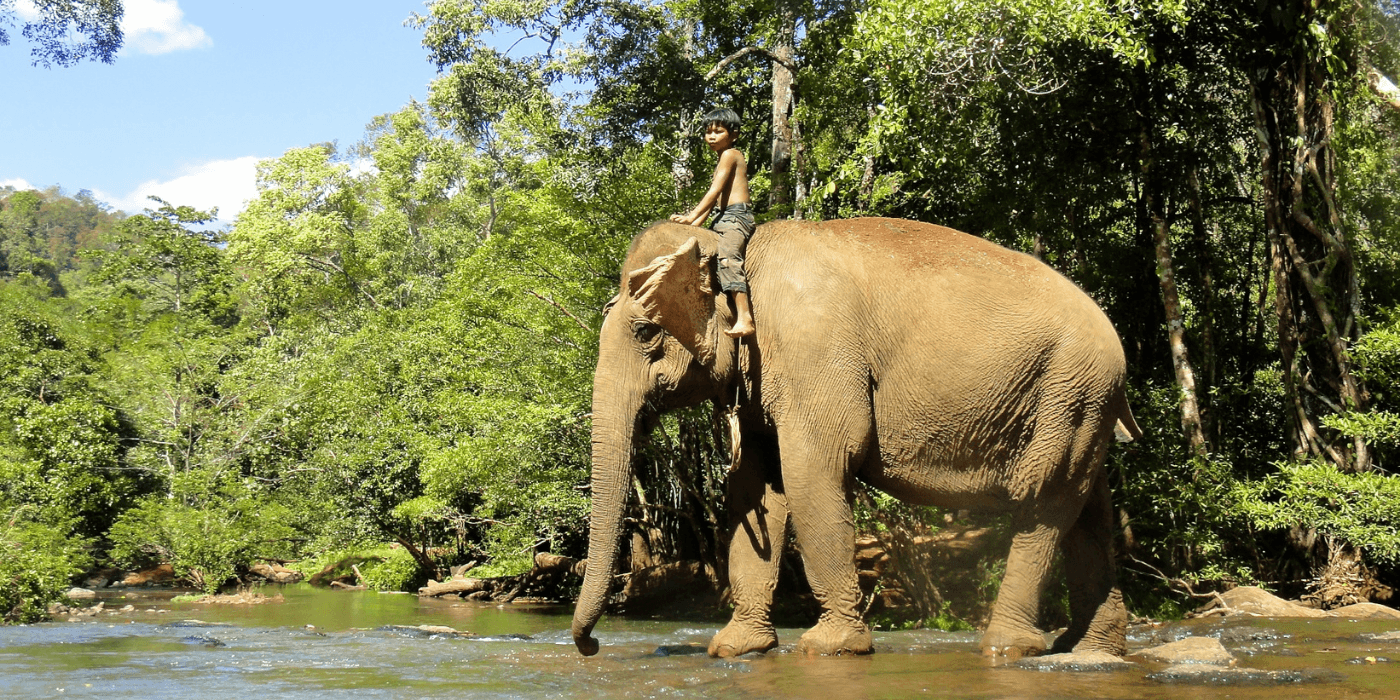
Visitors can spend half a day or a full day at the sanctuary, trekking through lush jungle trails alongside expert guides and learning about the history, behaviour, and care of the elephants. The project also works closely with the local Bunong community, providing employment, education, and conservation support, making your visit a contribution to both animal welfare and sustainable development.
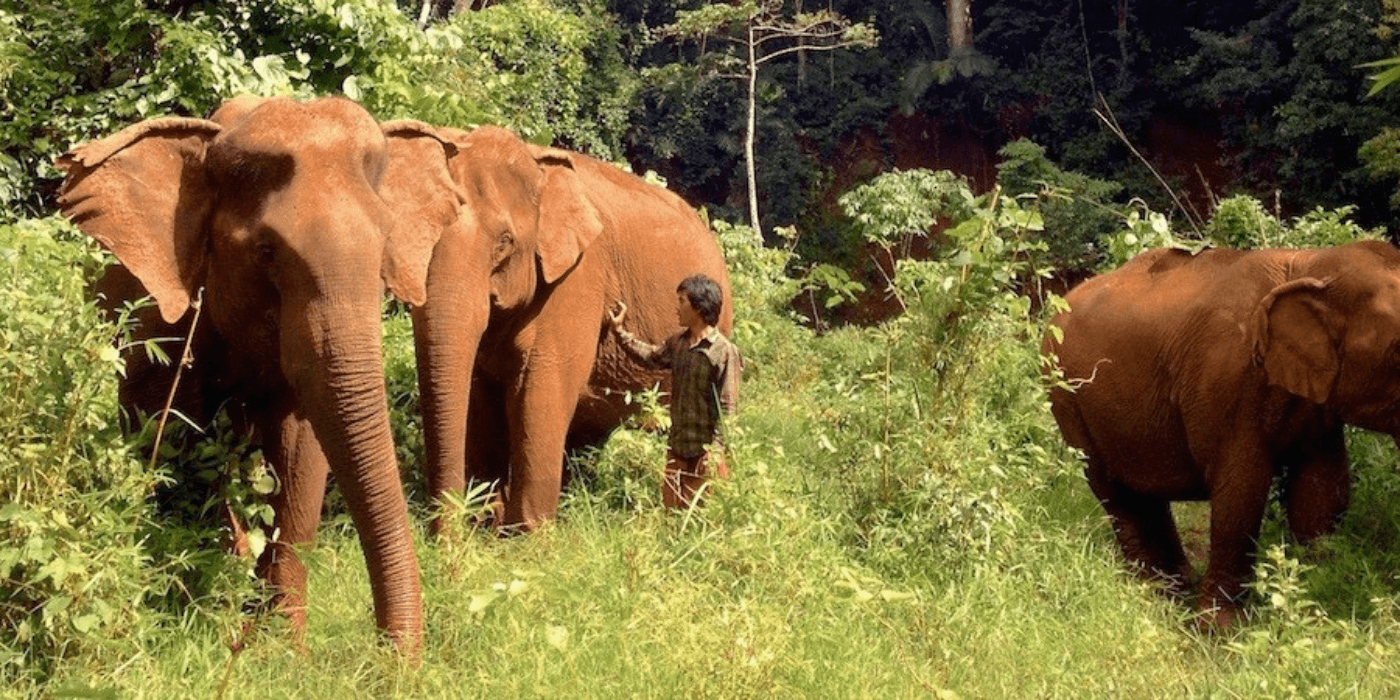
Whether you're watching an elephant splash in a river, forage in the forest, or simply enjoying the peaceful surroundings, the Elephant Valley Project offers a deep and meaningful connection to nature and a powerful reminder of the importance of protecting Cambodia’s incredible wildlife.
🗺️ How to Travel to Mondulkiri Province in 2025
Travelling to Mondulkiri Province, located in Cambodia’s remote eastern highlands, has become increasingly accessible in 2025 thanks to improved roads and reliable bus services. Whether you're drawn by the lush forests, cool climate, or rare wildlife, reaching Mondulkiri is an adventure in itself, and it’s easier than ever before.
🚌 By Bus or Minivan (Most Popular Option):
The most common and budget-friendly way to get to Mondulkiri is by bus or express minivan from Phnom Penh. The journey takes around 5 to 7 hours, depending on road conditions and traffic.

One of the top choices in 2025 is Kimseng Express, a well-reviewed company known for offering reliable service on the Phnom Penh to Mondulkiri (Sen Monorom) route. Buses typically depart in the morning or early afternoon, and tickets cost around $10.5–$12 USD. These minivans are air-conditioned and include occasional rest stops along the way. Booking in advance is recommended, especially during weekends or holidays.

🛬 Flights (Currently Not Available):
As of 2025, there are no commercial flights to Mondulkiri. The nearest airports are in Phnom Penh or Siem Reap, from which travellers must continue by road.
Most travellers arrive in Sen Monorom, the provincial capital and gateway to Mondulkiri’s top attractions. From there, you can explore destinations like the Elephant Valley Project, Bousra Waterfall, Keo Seima Wildlife Sanctuary, and Bunong indigenous villages. Tuk-tuks and motorbike taxis are readily available in town.
✅ Travel Tips for 2025:
- Book online with reputable bus companies like Kimseng Express to secure your seat.
- Morning departures are best for arriving with daylight to spare.
- Bring snacks, water, and motion sickness medication if you're prone to discomfort on winding roads.
- Always check road conditions during the rainy season (May–October), as travel times may increase.
- If you're heading to remote lodges or camps, arrange pick-up in advance from Sen Monorom.
Whether you’re a backpacker, nature lover, or culture seeker, Mondulkiri is worth the journey. In 2025, getting there is smoother, safer, and more convenient than ever, making now the perfect time to explore Cambodia’s wild, eastern frontier.
🌿 Final Thoughts on Mondulkiri Province
Mondulkiri is unlike anywhere else in Cambodia. With its cool highland air, vast pine-covered hills, cascading waterfalls, and rich indigenous culture, it offers a refreshing escape from the hustle of city life and the heat of the lowlands. Here, you can walk alongside rescued elephants in ethical sanctuaries, listen to the morning calls of gibbons deep in the forest, or simply breathe in the peace and silence of nature.
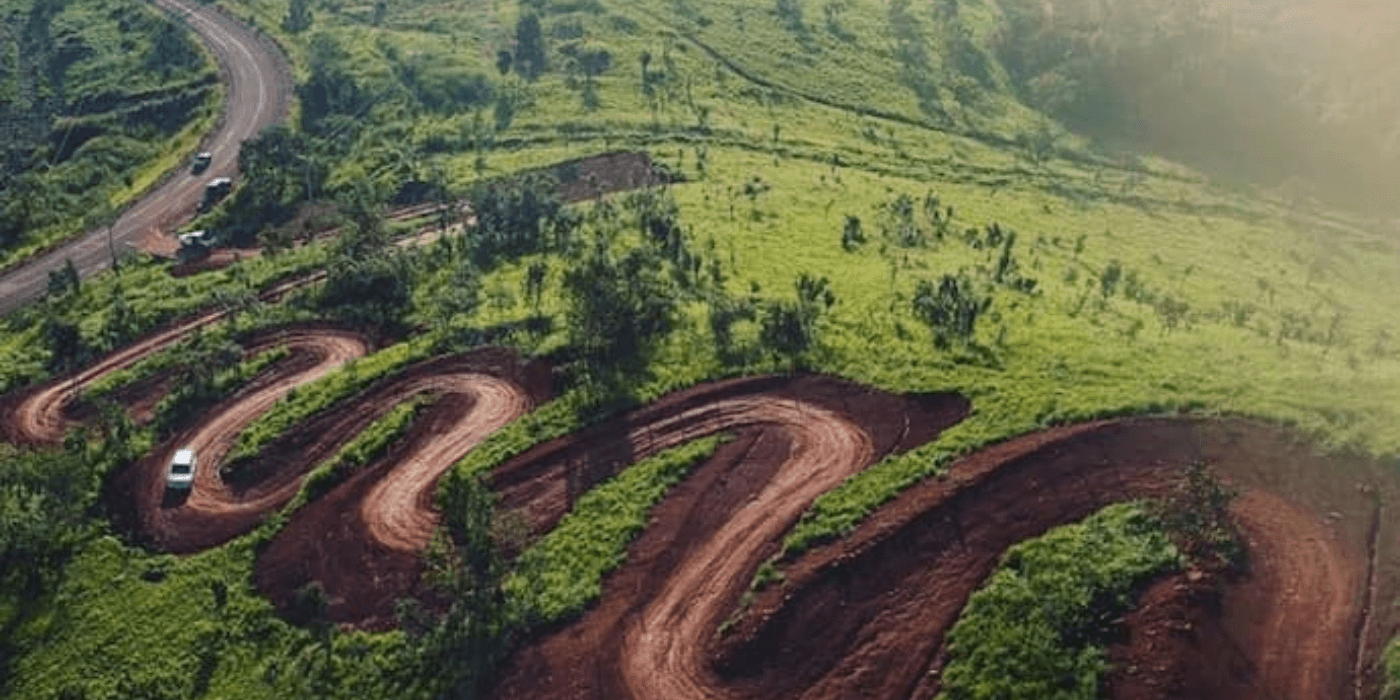
More than just a destination, Mondulkiri is an experience, a place where conservation, culture, and natural beauty come together in harmony. Whether you're trekking through the Keo Seima Wildlife Sanctuary, swimming beneath Bousra Waterfall, or sipping fresh coffee grown in local farms, you'll find moments that stay with you long after the trip ends.
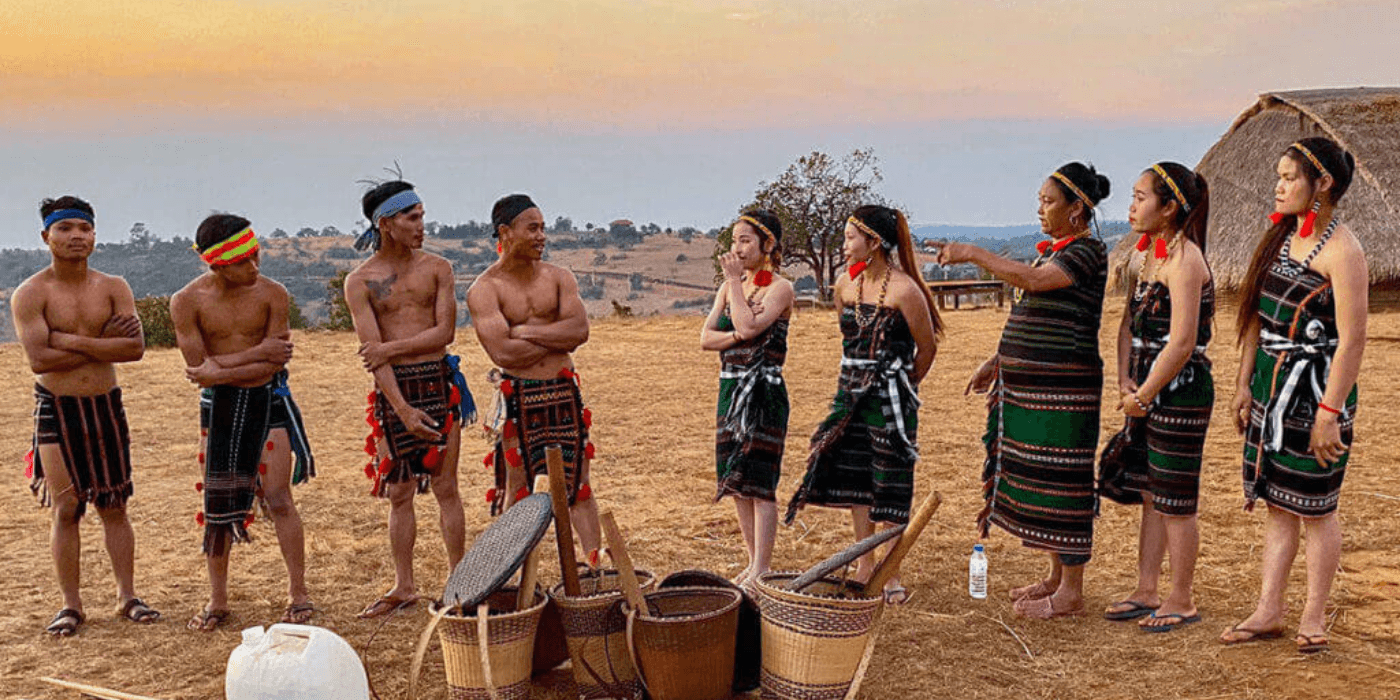
As Cambodia continues to grow as a travel destination, Mondulkiri stands out for those seeking something different, something wild, meaningful, and deeply authentic. For nature lovers, responsible travellers, and anyone craving a deeper connection to the land, Mondulkiri is a hidden gem waiting to be discovered.