
Explore Phnom Penh City in 2025
By Vimean Soksan · March 18, 2025 · Travel Guide
Introduction of Phnom Penh City
Phnom Penh, the vibrant capital and heart of Cambodia, sits gracefully at the centre of the country. Home to over two million residents, this dynamic city is rich in history, culture, and energy, offering countless landmarks and experiences for travellers eager to explore Cambodia’s past and present. Choosing the right area to stay in can make a big difference. The Riverside district offers scenic views and easy access to landmarks, while BKK1 and Toul Tom Poung (Russian Market) are perfect for dining and shopping. Wherever you stay, Phnom Penh’s warmth and character will leave a lasting impression.

As the capital, Phnom Penh offers an exciting mix of old and new, from grand royal palaces and ancient temples to stylish cafés and riverside nightlife. Choosing the right area to stay in is key to experiencing the city your way. To help you make the most of your trip, we’ve rounded up the Best Things to do in Phnom Penh in 2025, perfect for solo adventurers, couples, families, and business travellers alike. No matter what kind of experience you’re looking for, Phnom Penh has something special waiting for you.
The Top attraction places in Phnom Penh City
First-time visitors to Phnom Penh who wish to immerse themselves in the local way of life will find endless opportunities to connect with the city’s culture, from bustling markets and street food stalls to riverside hangouts and traditional pagodas:
👑 Royal Palace of Cambodia:
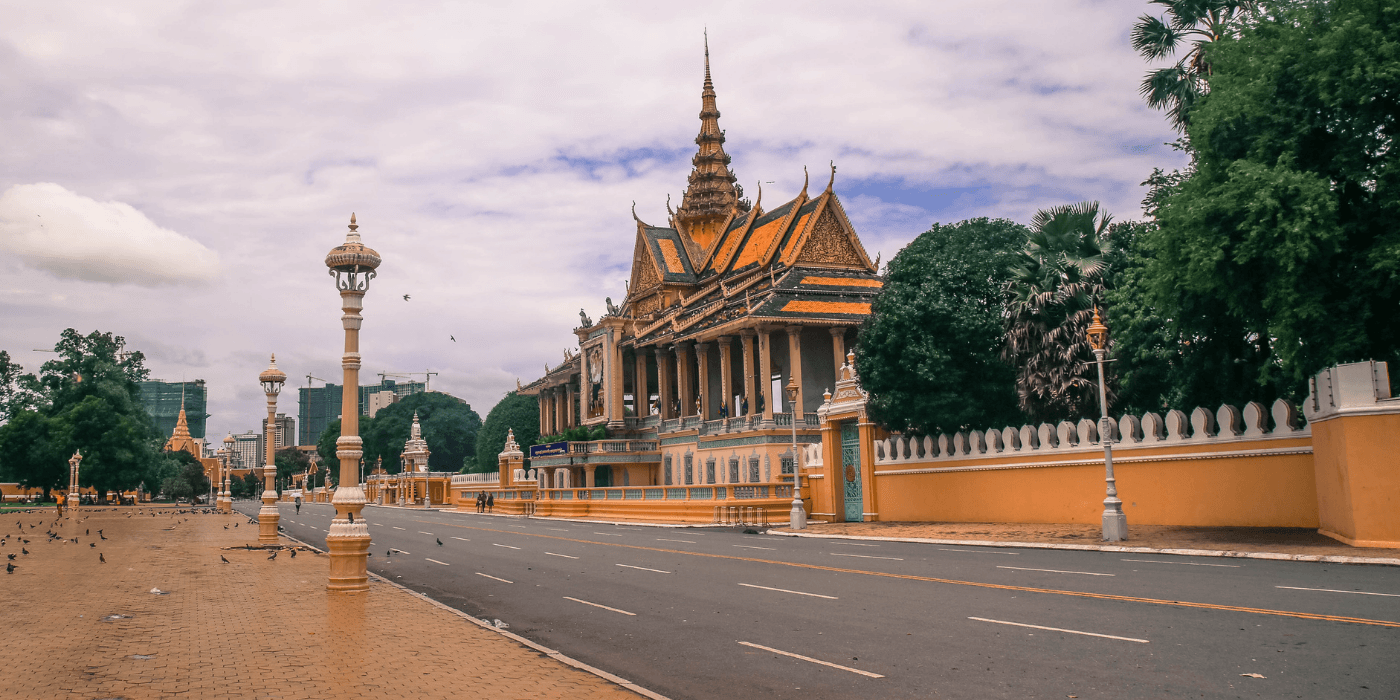
The Kingdom of Cambodia boasts a magnificent waterfront that perfectly complements the grandeur of the Royal Palace. More than just the official residence of the king, the Royal Palace is a remarkable landmark where visitors can immerse themselves in the splendours of Khmer culture and artistry. Among the renowned sites within the Royal Palace complex, the Silver Pagoda truly stands out as its shining gem. This sacred structure houses Cambodia’s most treasured artefacts, including the revered Emerald Buddha, adorned with gold and precious jewels, and the captivating Gold Maitreya Buddha. The Silver Pagoda itself is a spectacle of craftsmanship, featuring thousands of intricately inlaid silver tiles and stunning Italian-inspired facades.

It serves as a living testament to the rich history and exquisite artistry that define Cambodia’s cultural heritage. The Throne Hall continues to serve as a venue for royal and religious ceremonies, such as coronations and royal weddings. It also functions as a reception hall for esteemed guests of the king. While visitors can only view the hall’s interior through its doors and windows, it occasionally opens during official events, offering a rare glimpse into its regal significance. Another prominent structure within the complex, the Moonlight Pavilion, is easily recognisable from the outside as it was built along a section of the palace walls. Historically, its balcony served as a viewing platform for royal parades along Sothearos Boulevard. More recently, the Pavilion hosted a banquet and acted as a grandstand during the coronation of King Norodom Sihamoni in 2004.
🛕 Wat Phnom: A Symbol of Phnom Penh:
Wat Phnom is a historic Buddhist temple located in the Doun Penh district of Phnom Penh. Standing 46 meters (150 feet) tall, it is not only a striking landmark but also a symbol of the city’s name and an integral part of Khmer national identity. The temple is named after Lady Penh, who is credited with discovering five sacred statues, four of Buddha and one of Vishnu, that would become the heart of the pagoda.

In 1372, Lady Penh, a wealthy resident near the confluence of four rivers, found a floating Koki tree during the rainy season. Hidden within the tree were four Buddha statues and a single Vishnu statue. Recognising their significance, she enlisted the help of local villagers to retrieve the tree and its treasures. To house the statues, Lady Penh constructed an artificial hill topped with a small wooden temple. Monks blessed the statues, and the site was named Wat Phnom, which translates to “Mountain Pagoda.”

Over the centuries, Wat Phnom has grown into a beloved spiritual and cultural centre in Phnom Penh. Visitors can climb its gentle steps to explore the temple grounds, admire the statues, and observe daily rituals performed by monks. The pagoda remains a place of reverence, community gathering, and reflection, offering insight into the origins of Cambodia’s vibrant capital.
🏛️ National Museum of Cambodia: A Journey Through Khmer History:
The National Museum of Cambodia, the largest and most comprehensive museum in the country, stands proudly just behind the Royal Palace in Phnom Penh. This cultural institution is not only Cambodia’s only archaeological museum but also a treasure trove of the nation’s rich history and artistic heritage. Its extensive collection spans Khmer art, ceramics, bronzes, and ethnographic artefacts, offering a vivid timeline that stretches from prehistoric eras to the height of the Khmer Empire.

Constructed between 1917 and 1924, the museum was designed to showcase the depth and sophistication of Cambodian art and culture. In 1968, it underwent a major renovation to preserve its impressive collections and enhance the visitor experience.

Walking through the museum, visitors encounter intricately carved sculptures, ancient ceramics, and ceremonial objects, each piece telling a story of Cambodia’s spiritual and artistic journey. Whether exploring the grandeur of the Khmer Empire or discovering the subtleties of daily life in past centuries, the National Museum provides an invaluable insight into the country’s enduring cultural identity.
Wat Langka: A Historic Gem in the Heart of Phnom Penh:
Nestled near Phnom Penh’s iconic Independence Monument, Wat Langka is one of the city’s most historically significant pagodas. Established in 1442 by King Ponhea Yat, it is one of the five original temples he founded, originally serving as a Buddhist library for sacred texts and a gathering place for Cambodian and Sri Lankan monks.
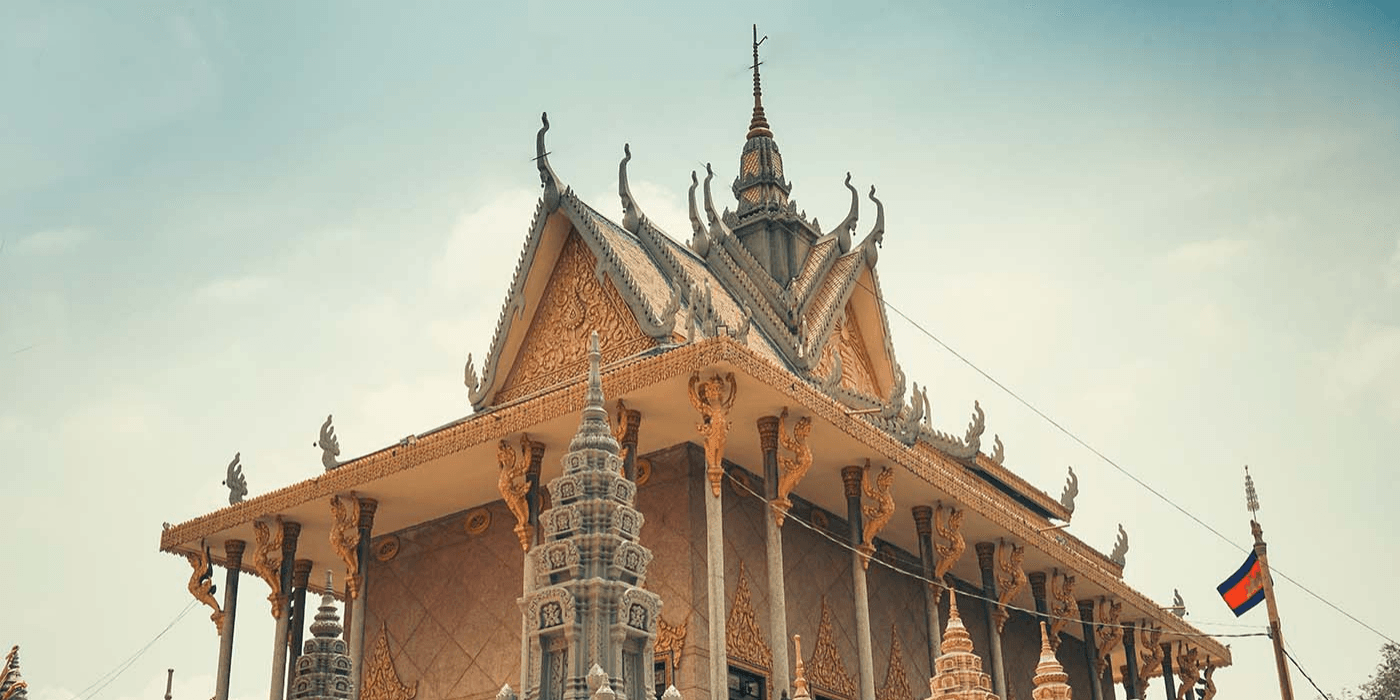
Over the centuries, Wat Langka has remained an active centre of spiritual life. Its well-preserved stupas and pagoda structures offer a window into classic Khmer architecture and Buddhist traditions. Visitors are often struck by the temple’s serene atmosphere, where vibrant community rituals and meditation practices continue alongside centuries-old cultural heritage.
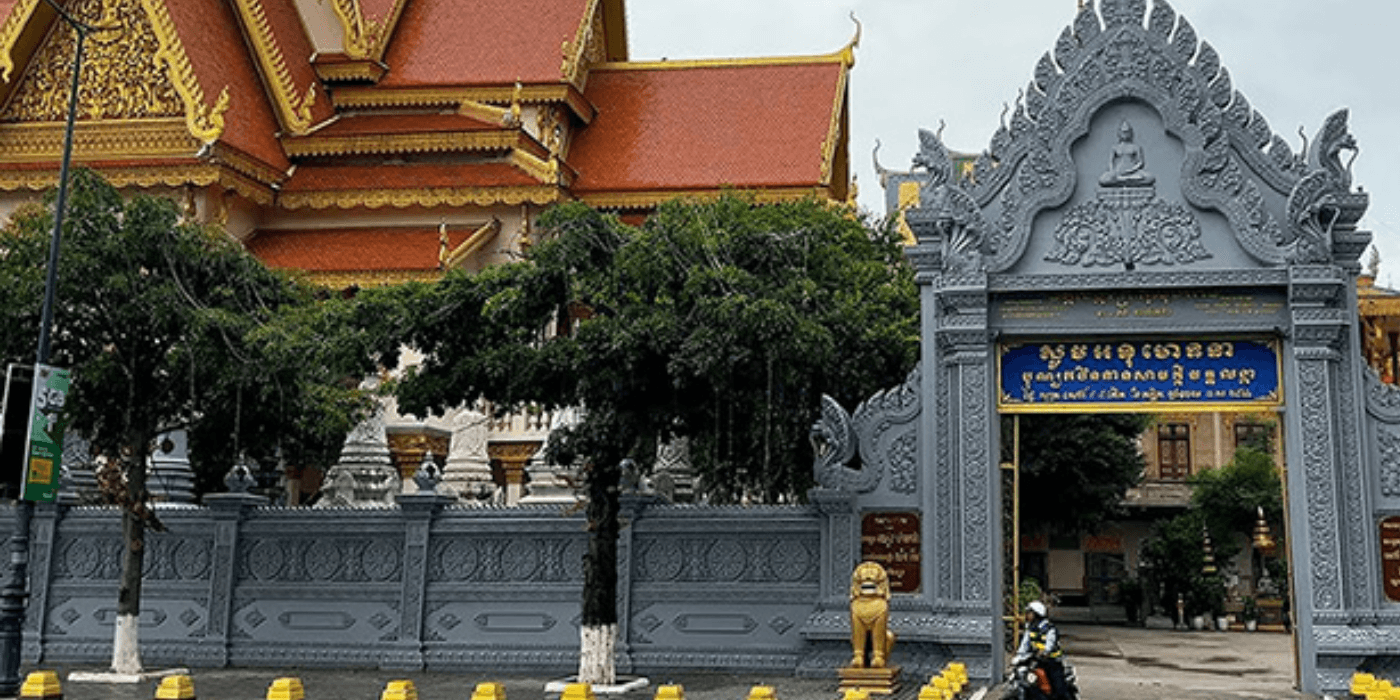
Whether you’re a history enthusiast, architecture lover, or seeker of peaceful retreats, Wat Langka stands out as a must-visit landmark in Phnom Penh, embodying the enduring spirit of Cambodian Buddhism.
🛕 Wat Ounalom Monastery: A Window into Phnom Penh’s Spiritual Heritage:
Explore the rich history of Phnom Penh through a visit to Wat Ounalom, one of the city’s oldest and most revered pagodas, established in 1443. The monastery complex comprises an impressive 44 buildings, each showcasing traditional Khmer architecture and spiritual artistry. Among its most significant features is Chetdai, an Angkorian-era stupa that houses a sacred relic, a strand of Buddha’s brow hair.

Wat Ounalom is also renowned for its collection of four exquisite bronze Buddha statues, all depicted in a seated meditation posture. These statues, along with the monastery’s ornate structures, reflect the deep spiritual devotion and artistic craftsmanship of Cambodia’s Buddhist traditions.
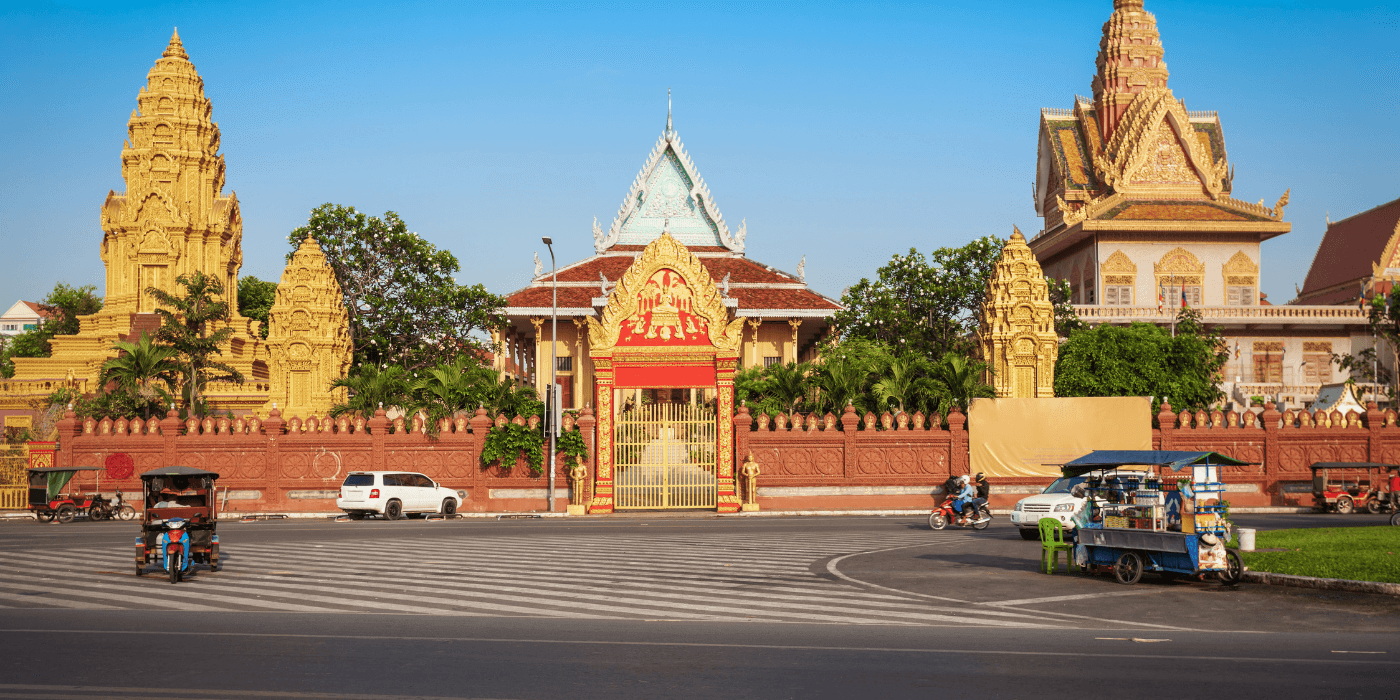
Visiting Wat Ounalom offers more than just sightseeing; it is a profound journey into the teachings, philosophies, and history of Buddhism. As the oldest and most esteemed among Phnom Penh’s five pagodas, it holds a central place in the city’s cultural and spiritual heritage, making it an essential stop for travellers seeking to understand Cambodia’s religious and historical roots.
🛍️ Shopping at Central Market: Phnom Penh’s Iconic Marketplace:
The Central Market (Phsar Thmey) is more than just a shopping destination. It is a vibrant cultural landmark and a striking example of Art Deco architecture in the heart of Phnom Penh. Originally opened in 1937, the market’s impressive dome and symmetrical layout make it an architectural highlight, attracting both tourists and locals alike.

Inside, the market buzzes with activity. Stalls offer a diverse array of goods, including souvenirs, handicrafts, textiles, jewellery, fresh fruits, local delicacies, and much more. It’s the perfect place to immerse yourself in the everyday life of Phnom Penh residents, haggle for unique finds, and sample the flavours of Cambodian cuisine.
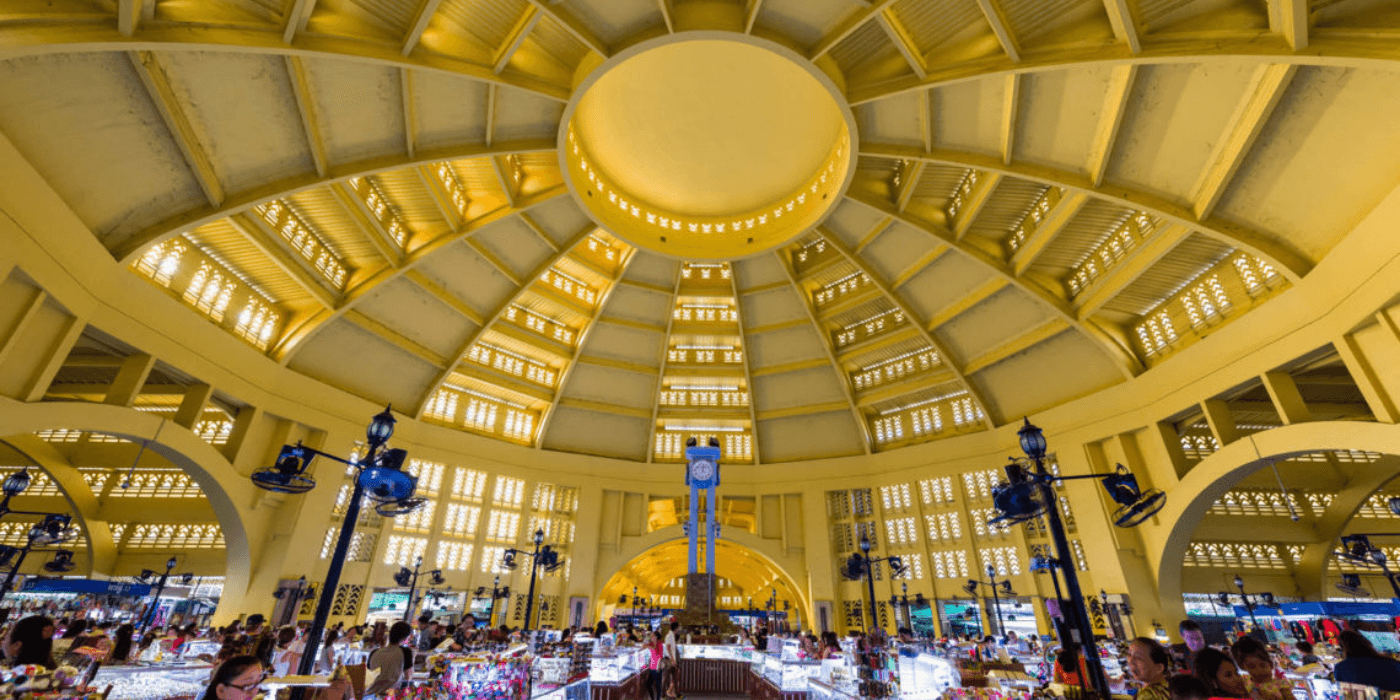
A visit to Central Market is not just about shopping; it’s an opportunity to experience the energy, colours, and sounds of the city, making it a must-stop for travellers exploring Phnom Penh.
🌙 Riverside Night Market: Savor Local Flavors by the River:
Just a short stroll from the Royal Palace, the Riverside Night Market offers an unforgettable evening experience in Phnom Penh. This lively destination is the perfect place to immerse yourself in local culture, where the city comes alive with vibrant lights, music, and the tantalising aroma of street food.
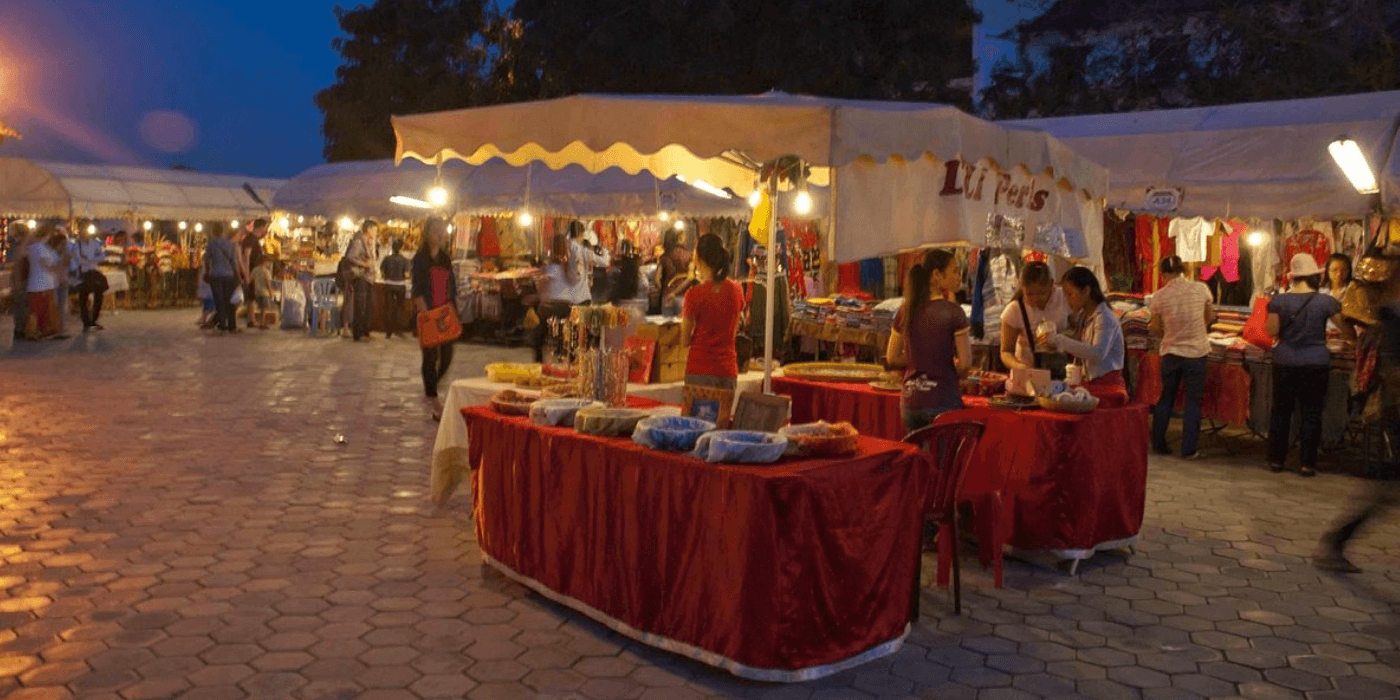
Food lovers can sample authentic Cambodian dishes, from grilled seafood and savoury noodles to sweet desserts and exotic delicacies for the adventurous palate. Many stalls provide cosy seating on traditional floor mats, allowing visitors to enjoy their meals in a relaxed, open-air setting.

As night falls, live music performances on a large stage enhance the festive atmosphere, creating a truly immersive Riverside experience. The market is not just about food; It’s a place to connect with the spirit of Phnom Penh, enjoy the lively riverside ambience, and make lasting memories with each bite and note of music.
🛒 Souvenir Hunting at Phnom Penh’s Farmer’s Market and Russian Market:
For travellers seeking local flavours and unique keepsakes, Phnom Penh offers two must-visit markets: the Phnom Penh Farmer’s Market and the Russian Market (Psar Tuol Tom Pong).
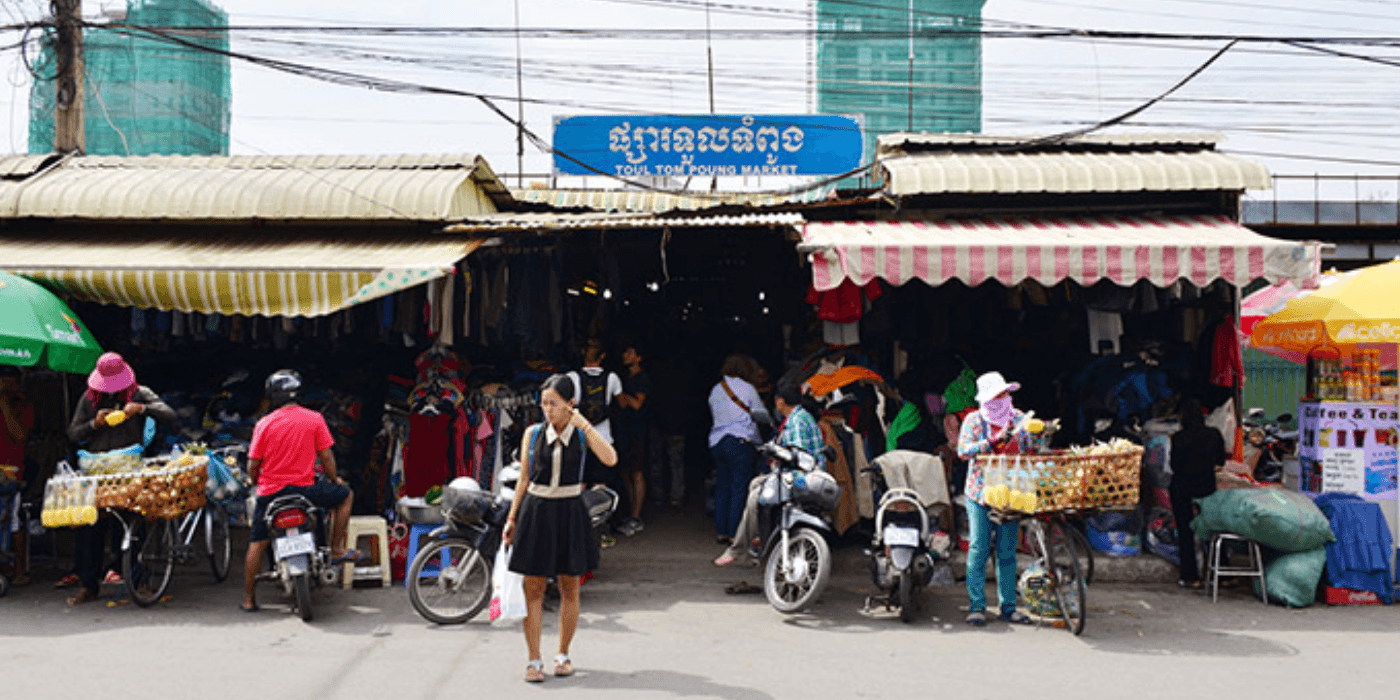
The Phnom Penh Farmer’s Market transforms an old factory building into a lively community hub, welcoming visitors from 10 a.m. to 5 p.m. Here, you’ll find an impressive selection of organic produce, culinary delights, handmade arts and crafts, clothing, and local services, all contributing to the thriving local community. It’s the perfect spot to discover authentic Cambodian products while supporting local artisans and farmers.

Meanwhile, the Russian Market, locally known as Psar Tuol Tom Pong, is a bustling shopping haven renowned for its variety and energy. Stalls overflow with clothing, accessories, souvenirs, antiques, and traditional handicrafts, making it a paradise for souvenir hunters and bargain seekers alike. Whether you’re searching for a handcrafted gift, a vintage collectable, or a tasty local snack, the Russian Market offers an immersive experience into Phnom Penh’s vibrant market culture.
Visiting these markets is not just about shopping; it’s a way to connect with the local lifestyle, discover hidden treasures, and take home memories of Cambodia’s rich creativity and charm.
☀️ Best Time to Visit Phnom Penh: Weather Tips for an Ideal Trip
The best time to explore Phnom Penh is during the dry season, from November to April, when the weather is milder and more comfortable for sightseeing. During this period, rainfall is minimal, skies are generally clear, and temperatures, while warm, remain bearable.

The months of December to February are particularly pleasant, offering sunny days that are ideal for exploring iconic attractions such as the Royal Palace, Silver Pagoda, Wat Phnom, and the National Museum of Cambodia. Visiting during these months ensures a smoother experience, avoiding the heavy rains and high humidity of the wet season, which runs from May to October and can make city exploration more challenging.
For the best experience, plan your visits to major sites early in the morning or late in the afternoon to avoid the hottest hours of the day. Keep in mind that the peak tourist season between December and February may lead to larger crowds and higher accommodation prices. For a quieter and more relaxed stay, consider travelling in November, March, or April, when the weather remains favourable but tourist numbers are lower.
🌦️ When to Visit Phnom Penh: Avoid the Rainy Season
Cambodia’s rainy season, spanning May to October, brings frequent and sometimes heavy showers, particularly in September and October. These downpours often appear in the late afternoon, which can make outdoor sightseeing less convenient.
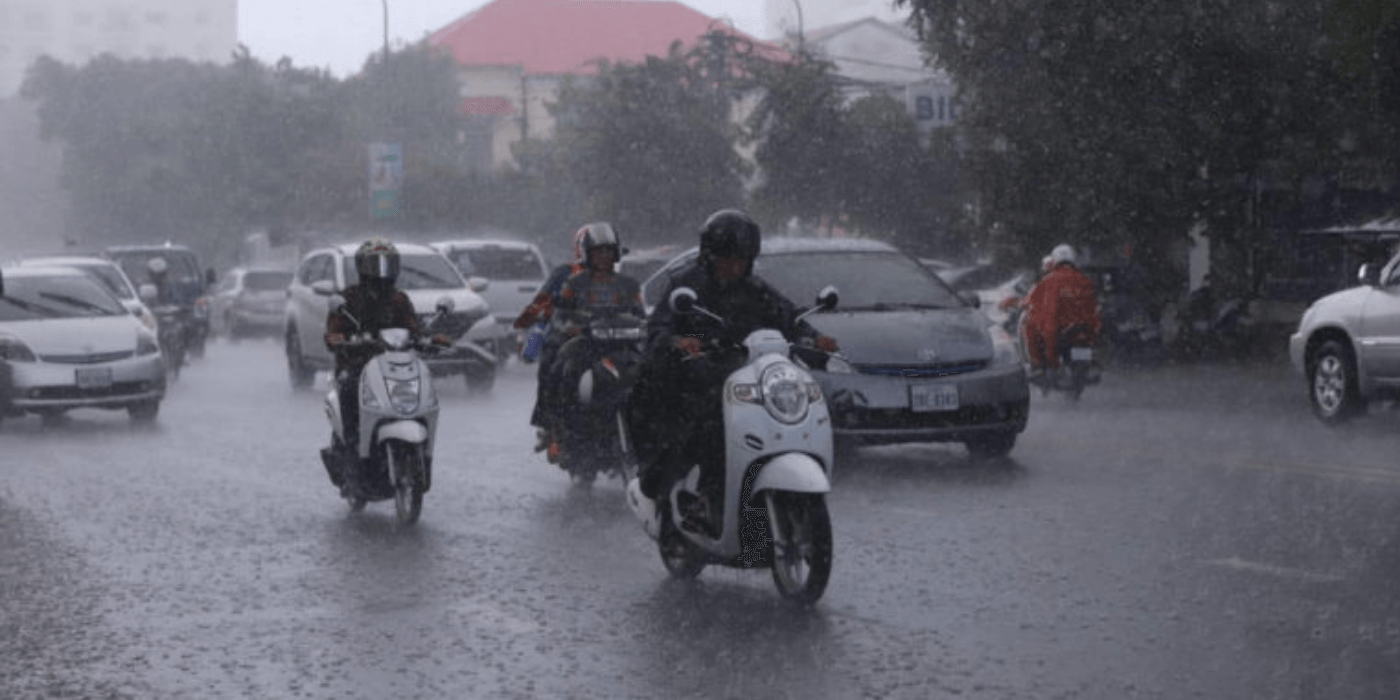
Despite the rain, visiting Phnom Penh during this period has its charms. The landscapes turn lush and green, offering a fresh and vibrant view of the city and its surroundings. Travellers seeking a quieter, more authentic experience with fewer tourists may find the rainy season appealing. Accommodation and excursion prices are often lower, making it an attractive option for budget-conscious visitors.
If you plan to explore sites outside the city, such as Kirirom National Park or the floating villages around Phnom Penh, it’s wise to organise your itinerary in advance and have backup plans in case of sudden rainfall.
For the most comfortable experience, however, the dry season from November to April is ideal. During these months, rainfall is minimal, skies are clearer, and temperatures are more manageable, allowing you to fully enjoy the city’s attractions and outdoor activities without weather disruptions.
🛵 Getting Around Phnom Penh: Transportation Tips
Phnom Penh is a compact and navigable city, making it easy to explore. Travelling the length of the city typically takes less than 30 minutes, and most popular tourist attractions are just 5 - 10 minutes apart.
1. Motorcycle Taxi (Moto / Motodop):
For speed and convenience, motorcycle taxis, or motos, are the most common form of transport. They are ubiquitous, and you can simply step to the curb to flag one down.
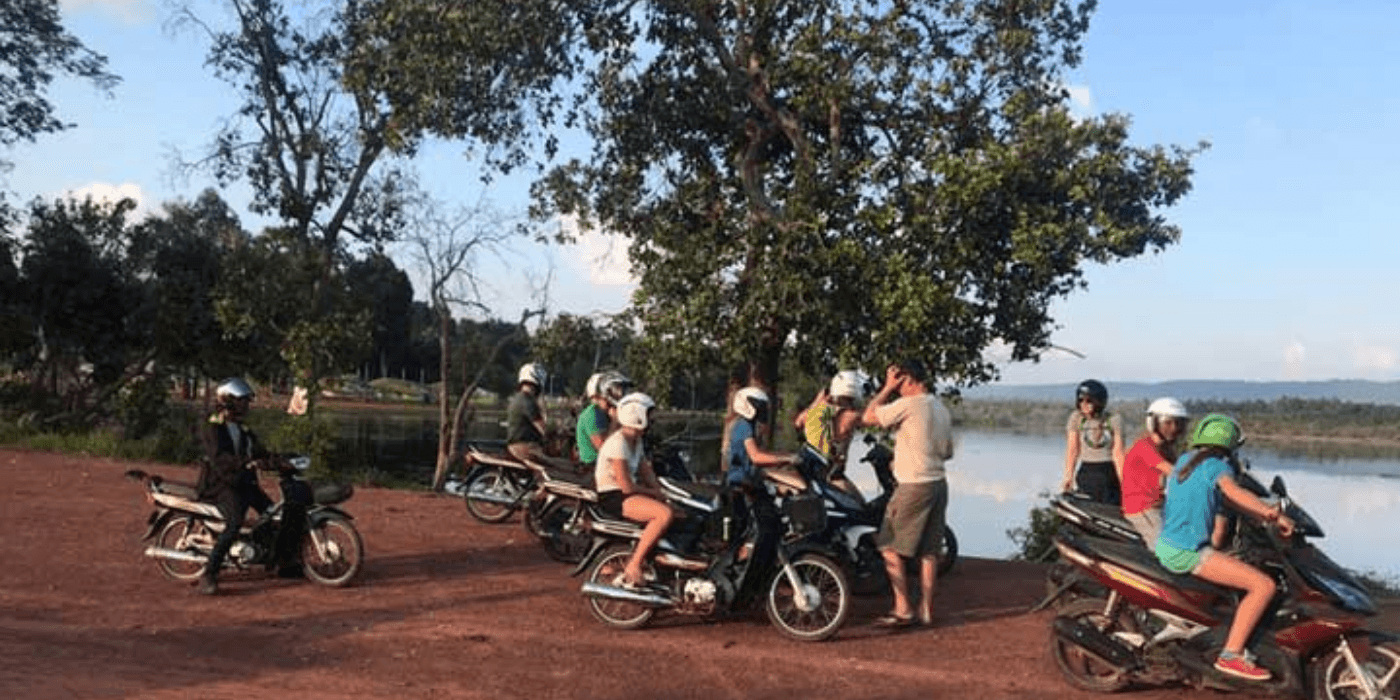
- Short trips in town: 1,500 - 4,000 Riel
- Daily hire: $6 - $8
- Note: Prices increase at night and for multiple passengers.
Whether you prefer a leisurely remork ride along Phnom Penh’s streets or the quick and agile moto for short trips, getting around the city is simple, affordable, and gives you a real taste of local life.
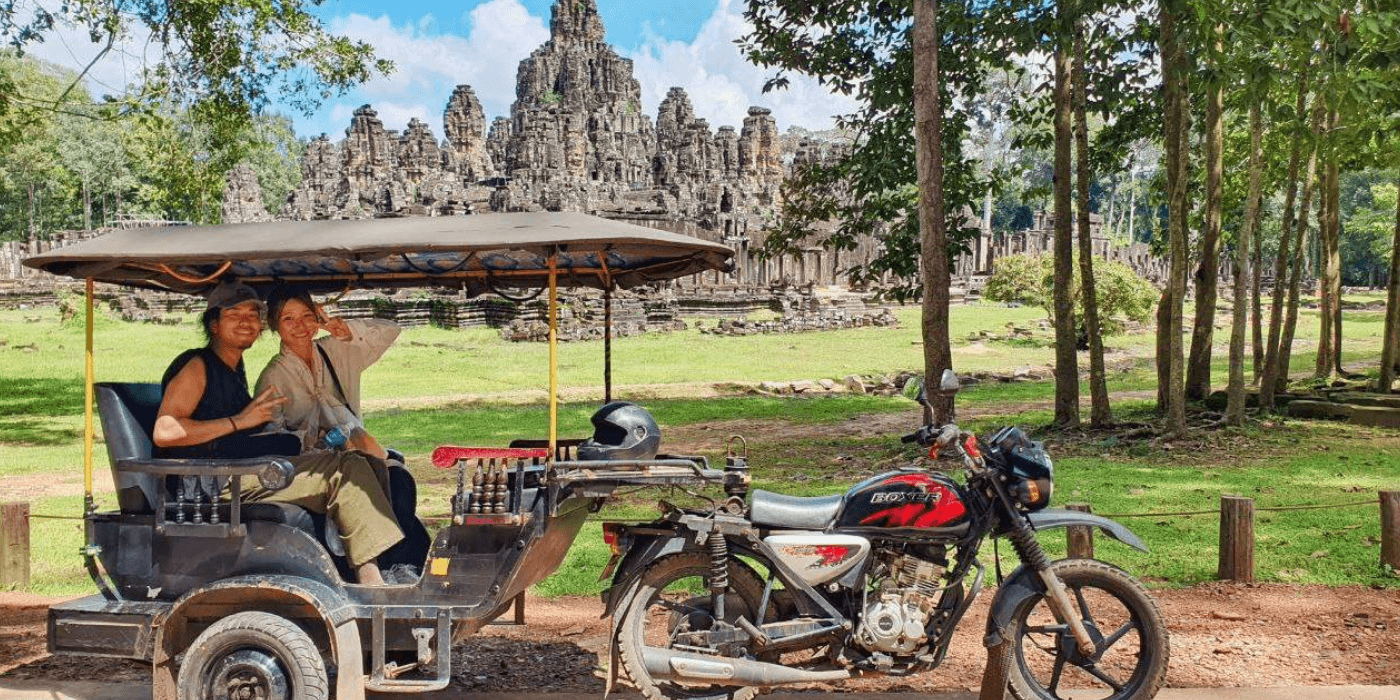
2. Remork (Tuk-Tuk):
The remork is a popular and comfortable way to get around the city. These traditional Cambodian tuk-tuks provide a quieter and more relaxed ride compared to motorcycles. Remorks can be found at tourist hubs, riverfronts, and near hotels. Short trips: $1 - $2, Full-day hire: $10 - $15, Tip: Prices vary depending on the number of passengers and pickup location, so it’s a good idea to negotiate before the ride.
3. Cyclos (Bicycle Rickshaws):
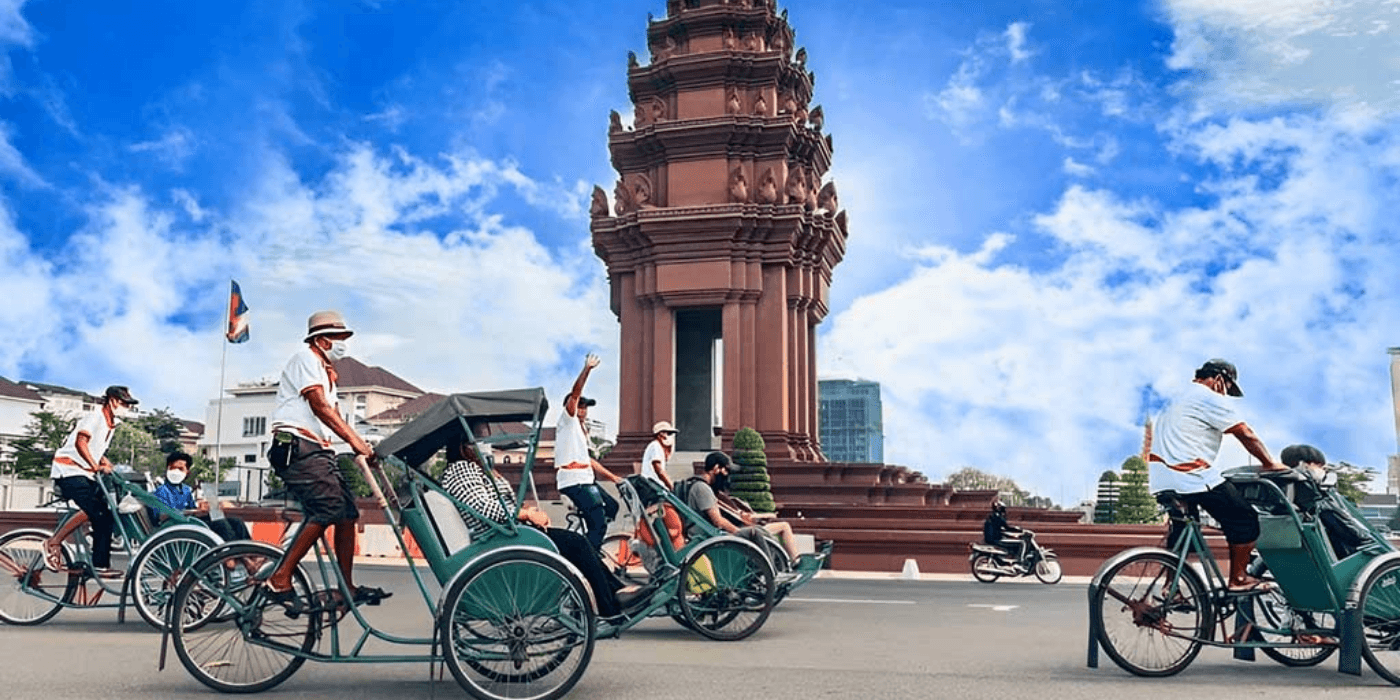
The cyclo, Phnom Penh’s humble bicycle rickshaw, offers a romantic and leisurely way to explore the city, especially if time isn’t a concern. Riding in a cyclo is quieter and more relaxed than a moto, and the canopy provides shade and protection from rain, making it a comfortable option in both sun and showers. Cost: Similar to a moto ride, typically negotiated before departure. Tip: Ideal for short scenic trips or enjoying the riverside at a slower pace.
4. Public Taxis:
For those seeking air-conditioned comfort or longer journeys, Phnom Penh has several taxi options.

- Global Taxi, Tranchoic Taxi, and Taxi Association: Offer 24/7 on-call service. Global Taxi may sometimes be found waiting in tourist areas, especially late at night.
- Unmarked taxis: Usually Camrys, available through hotels, travel agents, or waiting outside major hotels.
- Rates: Short trips around town: $4 - $5, Full-day hire with driver: $25 - $35
Taxis provide a convenient option for airport transfers, day trips outside the city, or travelling with luggage, making them a practical alternative to motos or cyclos.
🚍 Getting To and From Phnom Penh
Phnom Penh is well-connected to other parts of Cambodia, offering convenient options for both buses and boats:

Bus: Air-conditioned buses connect Phnom Penh to most major towns and provinces. Ticket offices are typically clustered around Psar Thmei (Central Market) or near the northern end of Sisowath Quay. For popular destinations like Kep, Kampot, and Mondulkiri, Kimseng Express is highly recommended. The company is known for reliable schedules, reasonable prices, and comfortable, safe rides.

Boat: For a scenic alternative, express boats run between Siem Reap and Phnom Penh. Boats depart from south of the Japanese Bridge on Sisowath Quay at Street 104. This option provides a unique view of Cambodia’s rivers and floating villages along the way. Tip: Check with the Phnom Penh Tourism Waterway Transportation Association for schedules and ticket information, especially during peak travel periods.
🌟 Final Thoughts on Exploring Phnom Penh
Visiting Phnom Penh offers an all-in-one experience for travellers seeking history, culture, cuisine, shopping, and relaxation. From the grandeur of the Royal Palace and the serene Wat Phnom to the bustling energy of the Central Market and riverside night markets, the city provides a rich blend of ancient heritage and modern vibrancy.
Spend your days exploring historical landmarks, indulging in local street food, and discovering unique souvenirs at local markets. Phnom Penh allows you to immerse yourself in the heart of Cambodia, experiencing sights and flavours you may have dreamed of for years.
After your adventure in Phnom Penh, you’ll be ready to plan your next journey, whether it’s venturing to the beaches of Kep, the countryside of Kampot, or the natural beauty of Mondulkiri. Phnom Penh is the perfect starting point for exploring the rest of Cambodia, leaving you with memories of a city that truly has it all.