
Exploring the National Museum of Cambodia: Khmer Heritage Unveiled!
By Vimean Soksan · November 25, 2025 · Top Place to Visit

The National Museum of Cambodia, situated in the heart of Phnom Penh, is a true treasure trove of Khmer culture and history. Renowned for its impressive collection of over 14,000 artefacts, the museum provides visitors with an immersive journey through Cambodia’s past, from ancient temples to exquisite sculptures and traditional art forms. More than just a museum, it is a vibrant celebration of the country’s artistic legacy and a vital institution preserving Cambodia’s identity for future generations. In this guide, we’ll explore the museum’s history, significance, and the highlights you absolutely shouldn’t miss.
Location of the National Museum of Cambodia
The National Museum of Cambodia is ideally situated in the heart of Phnom Penh, making it easily accessible for both locals and tourists. Located just a short distance from the scenic riverside promenade, the museum sits near the iconic Royal Palace, allowing visitors to experience two of the city’s most important cultural landmarks in one trip. The surrounding area is filled with beautifully maintained gardens, colonial-era architecture, and bustling streets that give a glimpse of daily life in the capital.

Its central location also makes it convenient for travellers staying in Phnom Penh’s main districts, with easy access by tuk-tuk, taxi, or even on foot if you’re exploring the riverside area. Visiting the museum not only provides a deep dive into Cambodia’s rich history and artistic heritage but also allows you to enjoy the serene and picturesque environment around the museum, offering the perfect balance of culture, history, and city life in one destination.
History and Significance of the National Museum of Cambodia
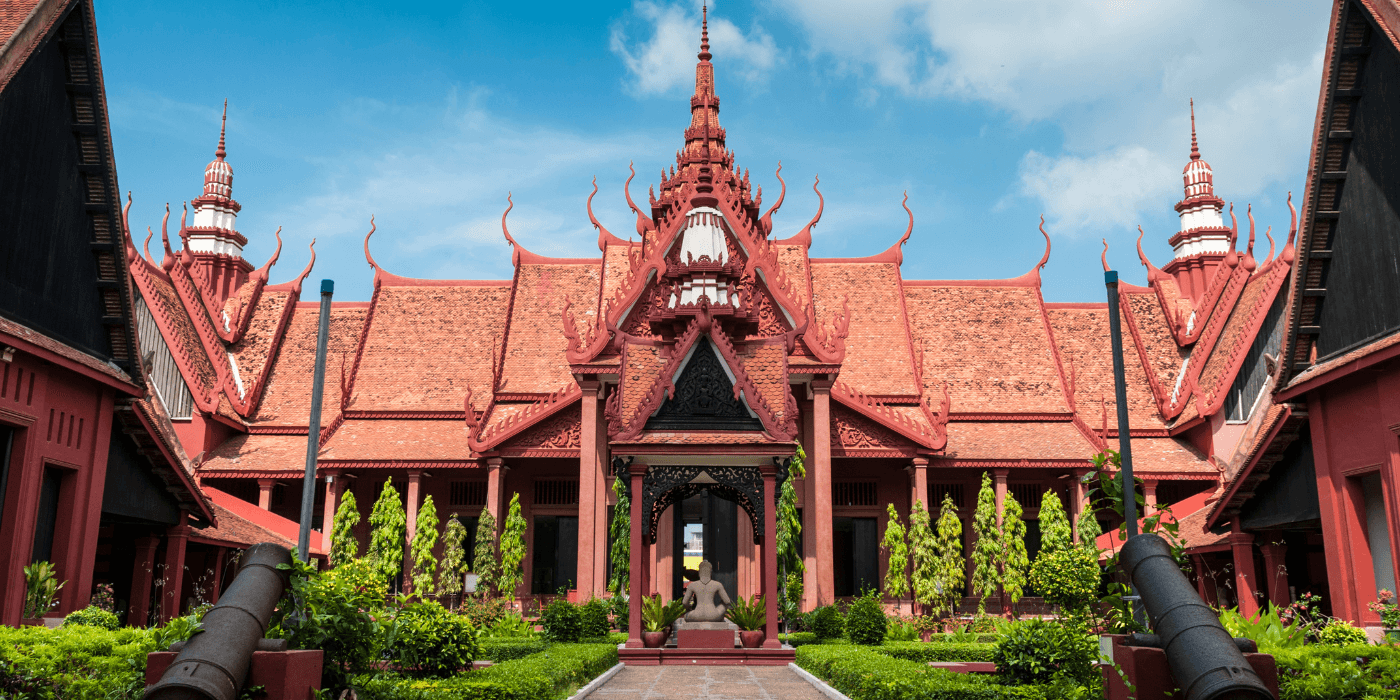
The National Museum of Cambodia, built between 1917 and 1920, stands as one of Phnom Penh’s most important cultural landmarks. Designed by the renowned French archaeologist George Groslier, the museum is a stunning example of traditional Khmer architecture, featuring an elegant terracotta roof, intricately carved lintels, and a harmonious layout inspired by ancient temples. Its architectural style not only reflects Cambodia’s rich artistic heritage but also symbolises the nation’s dedication to preserving its cultural identity during a period of colonial influence.

The museum was founded with the vision of safeguarding Cambodia’s vast and diverse cultural heritage. At a time when ancient temples, sculptures, and artefacts were at risk of being lost, destroyed, or smuggled abroad, the museum served as a centralised repository to collect, preserve, and display these invaluable treasures. Its establishment provided scholars, students, and the general public with access to Cambodia’s history, art, and religion, fostering greater awareness and appreciation of the country’s artistic and spiritual legacy.
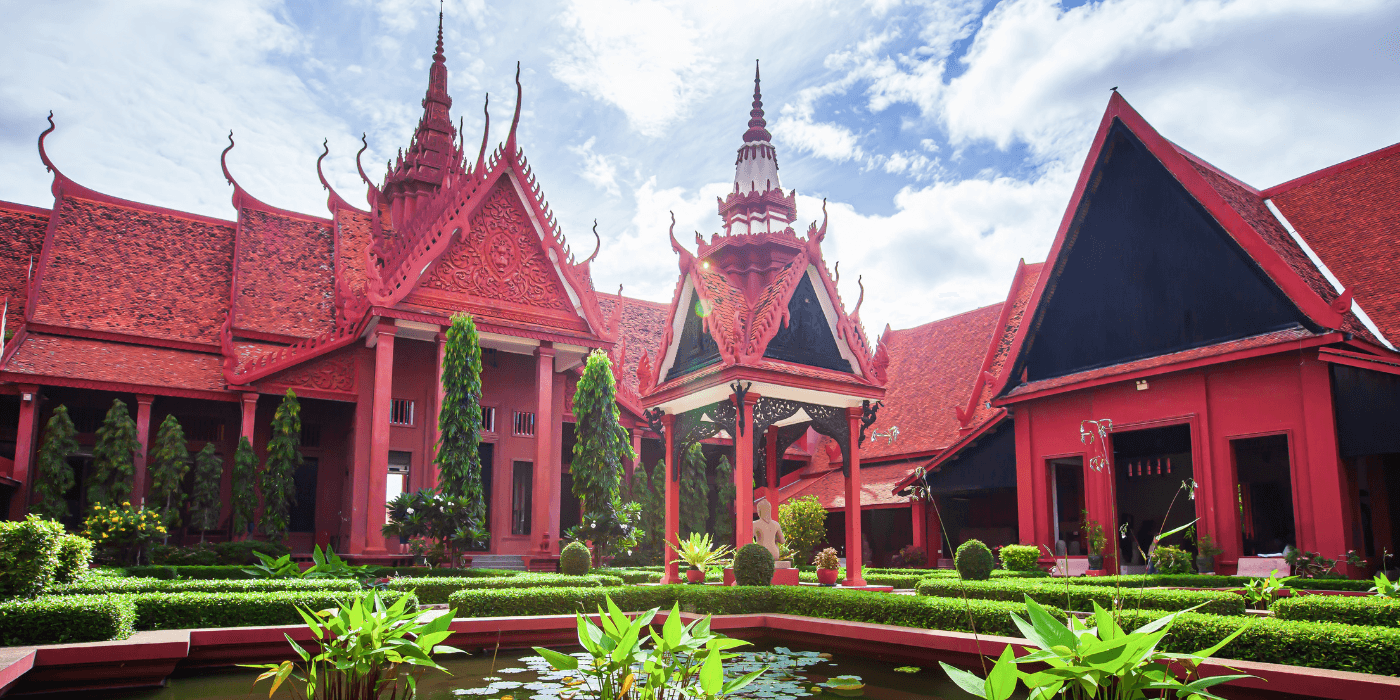
Despite the challenges of the 20th century, including the devastating Khmer Rouge era, the museum survived largely intact, becoming a symbol of resilience and national pride. Today, it remains a vital institution for cultural preservation, education, and research, housing over 14,000 artefacts ranging from ancient Khmer sculptures to intricate ceremonial objects. Visiting the National Museum offers not just a glimpse into Cambodia’s past, but also a deeper understanding of the enduring spirit and creativity of its people.
Enhancing the Visitor Experience at the National Museum of Cambodia
The National Museum of Cambodia is dedicated not only to preserving the nation’s cultural treasures but also to providing visitors with an engaging and educational experience. Beyond its extensive collection of artefacts, the museum offers a variety of programs designed to deepen understanding and appreciation of Cambodia’s rich heritage.
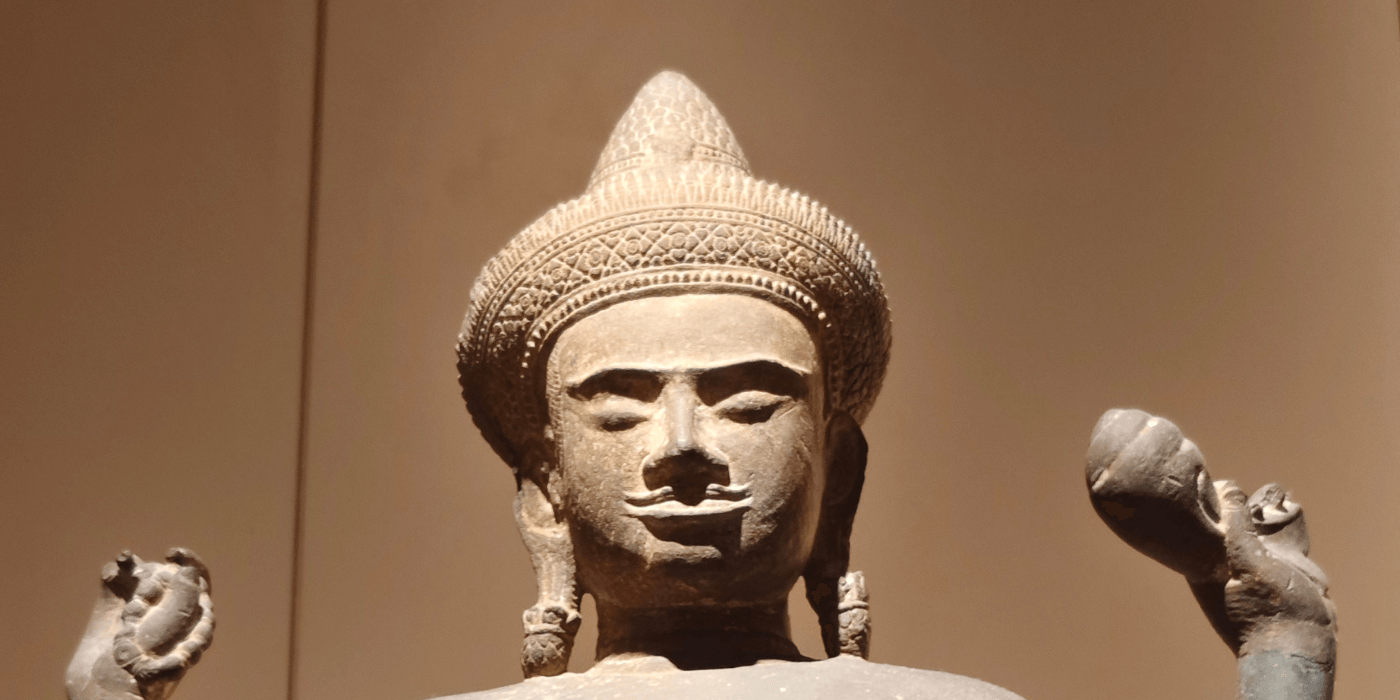
Guided tours, available in multiple languages, allow visitors to explore the museum with the insights of experts who provide historical context, fascinating anecdotes, and explanations of the symbolism behind sculptures, carvings, and ceremonial objects. For those who prefer to explore at their own pace, detailed informational plaques and audio guides are available, offering background on the exhibits and the eras from which they originate.
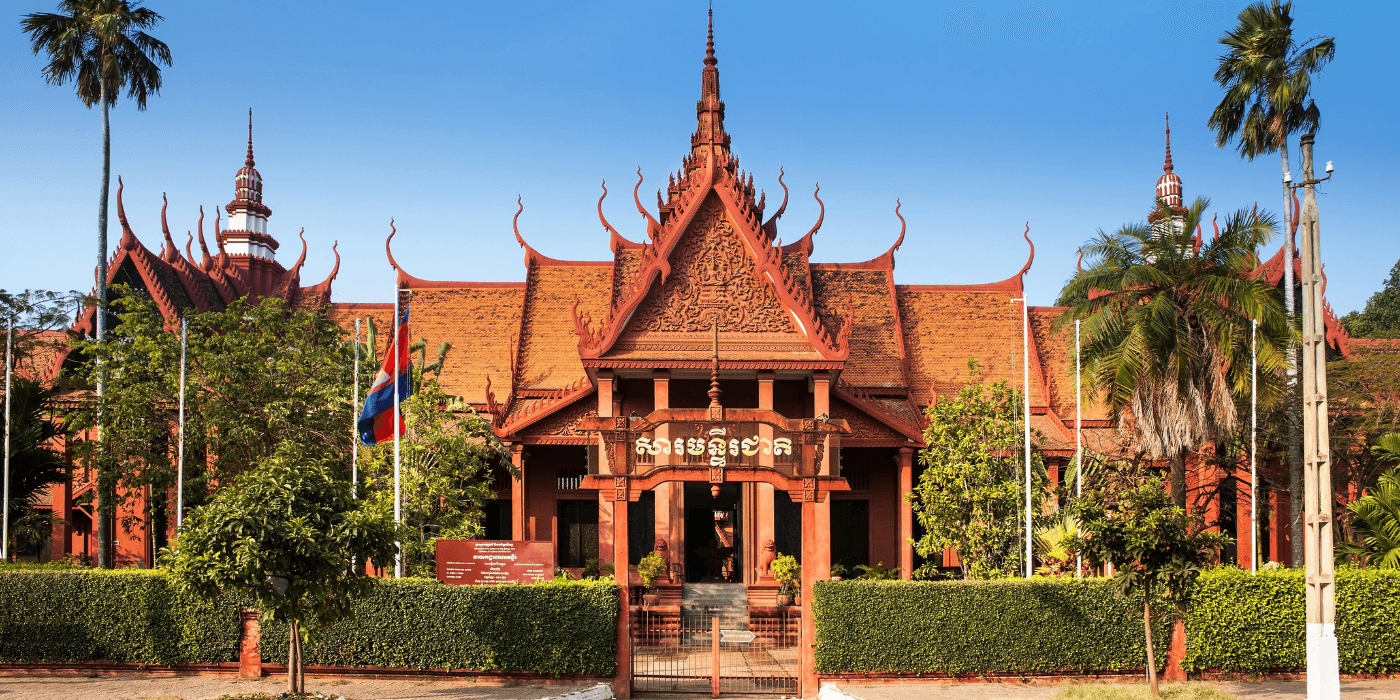
The museum also hosts educational workshops and programs for students, families, and tourists, which aim to foster a hands-on understanding of Khmer culture, art, and history. These initiatives often include interactive activities, demonstrations of traditional crafts, and storytelling sessions that bring the past to life. For art enthusiasts, the museum occasionally organises temporary exhibitions, highlighting specific periods of Cambodian history or particular aspects of Khmer artistry.
Whether you are a history buff, a cultural traveller, or a family seeking an educational outing, the National Museum of Cambodia ensures a rich, immersive experience. Visitors leave not only with a deeper knowledge of Cambodia’s past but also with a profound appreciation for the resilience, creativity, and spirit of the Khmer people.
The Museum’s Collections: A Journey Through Cambodia’s Heritage
Stepping into the National Museum of Cambodia is like entering a living chronicle of the country’s rich and diverse history. Each gallery tells a story, spanning from prehistoric times through the grandeur of the Khmer Empire, and into the more recent eras that have shaped modern Cambodia.

Explore Cambodia’s Ancient Past: The museum’s ancient artefacts provide a fascinating window into Cambodia’s early civilisations. Prehistoric tools, pottery, and ceremonial objects illustrate the daily lives, beliefs, and rituals of early Cambodian communities. As you move into the Angkorian-era galleries, the scale and sophistication of Khmer artistry become strikingly evident. Stone carvings, bas-reliefs, and sandstone sculptures depict scenes from Hindu and Buddhist mythology, royal life, and epic tales, showcasing the ingenuity and spiritual devotion of the Khmer Empire. Each piece reflects the architectural and artistic brilliance that continues to influence Cambodian culture today.
Masterpieces of Khmer Art: Among the museum’s most celebrated collections are its Khmer art treasures. Sculptures of deities, kings, and legendary creatures reveal the incredible skill of Khmer artisans, from the delicate detailing of facial expressions to the fluidity of body movements in stone and bronze. The museum also preserves an exquisite array of ceramics, ritual objects, and textiles that exemplify traditional techniques passed down through generations. Visitors are often captivated by the intricate bronze statues of Buddha and Hindu gods, which reflect not only artistic mastery but also the spiritual and philosophical depth of Khmer society.
Traditional Crafts and Performing Arts: The National Museum goes beyond static displays, offering a vibrant glimpse into Cambodia’s living cultural heritage. Visitors can experience traditional crafts firsthand through demonstrations of weaving, pottery, and sculpting techniques, providing an understanding of how ancient skills continue to shape contemporary Cambodian life. Additionally, the museum frequently hosts performances of classical Khmer dance, shadow puppetry, and traditional music, bringing the stories, legends, and rituals depicted in the exhibits to life. These immersive experiences allow visitors to fully appreciate the richness and diversity of Cambodian cultural expression.
From ancient artefacts to living traditions, the National Museum of Cambodia offers a holistic exploration of the country’s heritage. Every gallery, sculpture, and performance invites visitors to connect with Cambodia’s past, understand its present, and celebrate its enduring cultural legacy.Best Time to Visit the National Museum of Cambodia
The National Museum of Cambodia in Phnom Penh is open year-round, but planning your visit around the weather, crowd levels, and local events can enhance your experience. Here’s what to consider:
Weather: Cambodia has a tropical climate with distinct wet and dry seasons. The dry season (November to April) is generally the most comfortable time to visit. During these months, temperatures are cooler, humidity is lower, and rainfall is minimal, making it ideal for exploring both the museum and nearby outdoor attractions, such as the Royal Palace or riverside promenade.
High Tourist Season: The dry season coincides with Cambodia’s peak tourist period, particularly from November to February. The pleasant weather attracts both international and local visitors, so expect busier galleries and attractions. To avoid crowds, plan your visit during weekdays or early mornings, when the museum is less crowded and more peaceful.
Low Tourist Season: The wet season (May to October) brings higher temperatures and frequent rainfall, which can make outdoor sightseeing less comfortable. However, this period often sees fewer tourists at the museum, allowing for a quieter, more reflective experience. If you don’t mind occasional showers, visiting during the wet season can offer a more intimate look at the exhibits.
Special Events and Festivals: Keep in mind Cambodia’s cultural calendar. Major festivals, public holidays, or special exhibitions may attract larger crowds or alter opening hours. Events like the Khmer New Year (April) can be fascinating to witness but may require extra planning.
Personal Preferences: Ultimately, the best time to visit depends on your own preferences for weather, crowds, and ambience. Some travellers enjoy the lively atmosphere of the high season, while others prefer the tranquil experience offered during the low season.
By considering these factors, you can choose a time that maximises comfort, learning, and enjoyment during your visit to the National Museum of Cambodia.
How to Get to the National Museum of Cambodia
The National Museum of Cambodia is centrally located in Phnom Penh, making it easily accessible by various modes of transportation. Here’s how you can reach this cultural gem:
Address: National Museum of Cambodia (Street 13, Sangkat Chey Chumneas, Khan Daun Penh, Phnom Penh, Cambodia)
By Tuk-Tuk or Taxi: Tuk-tuks and taxis are the most common and convenient ways to reach the museum. Simply hail a tuk-tuk or taxi and provide the address. It’s recommended to negotiate the fare in advance and, if possible, show the driver the destination written in Khmer or on a map to avoid confusion. Tuk-tuks offer a scenic and leisurely ride, giving you a glimpse of Phnom Penh’s vibrant streets along the way.
By Moto (Motorcycle Taxi): For a quicker and more adventurous option, moto taxis are widely available. You can hail one from the street or use ride-hailing apps like PassApp. As with other transport, agree on the fare before starting your journey. Moto taxis are particularly useful if you’re travelling alone or want to navigate through traffic efficiently.
By Walking: If you’re staying nearby, walking to the museum can be a pleasant option. The streets around the museum are lively, lined with shops, cafes, and local landmarks. Use a navigation app or map to ensure a smooth walk, and enjoy the local scenery on your way.
By Public Transportation: Phnom Penh’s public transport system is limited, so buses may not be the most convenient option. Tuk-tuks, taxis, and moto taxis remain the preferred choice for most visitors due to their flexibility and accessibility.
Visiting the National Museum is not just about the destination; it’s part of the experience of exploring Phnom Penh itself. Plan your journey today, and let the museum be your gateway to Cambodia’s rich cultural heritage. Marvel at exquisite artefacts, discover centuries-old craftsmanship, and immerse yourself in the stories that define the nation’s enduring legacy. For personalised guidance or travel support, consider reaching out to Asia King Travel to make your visit smooth and memorable.
Conclusion
The National Museum of Cambodia stands as a proud guardian of the nation’s rich cultural heritage, offering visitors a unique space to explore, reflect, and learn. Its extensive collections, ranging from ancient Khmer sculptures to traditional crafts and performing arts, provide a fascinating window into Cambodia’s past while celebrating the creativity, resilience, and spirit of its people.

Visiting the museum is more than just a tour; it’s an immersive journey through centuries of history, religion, and artistic achievement. Whether you are a history enthusiast, an art lover, or simply a curious traveller, the National Museum allows you to connect deeply with Cambodia’s cultural soul.
If you find yourself in Phnom Penh, make time to wander through its halls, admire its treasures, and experience the stories they tell. The National Museum of Cambodia is not just a destination; it’s a journey into the heart of the Khmer heritage, leaving visitors with a lasting appreciation of this captivating nation.