Plan Your Trip to Dak Dam Waterfall
By Vimean Soksan · December 19, 2025 · Top Place to Visit
Introduction to Dak Dam Waterfall
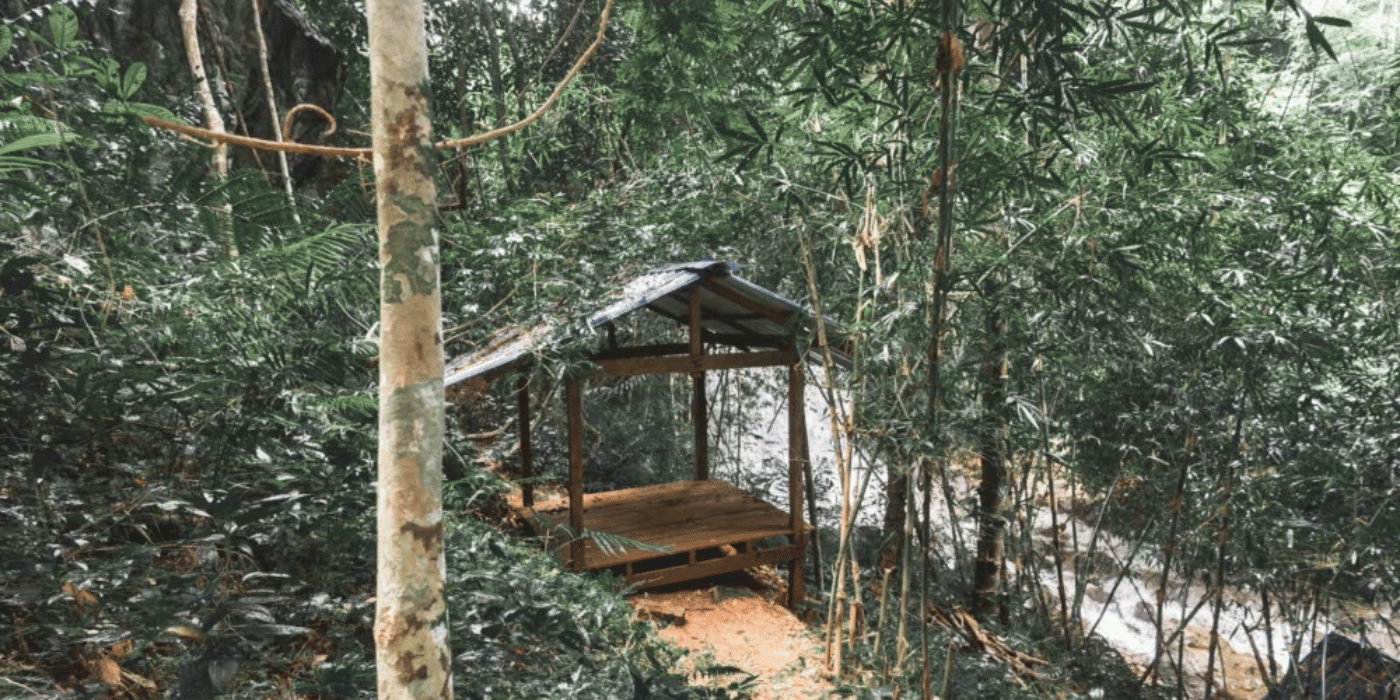
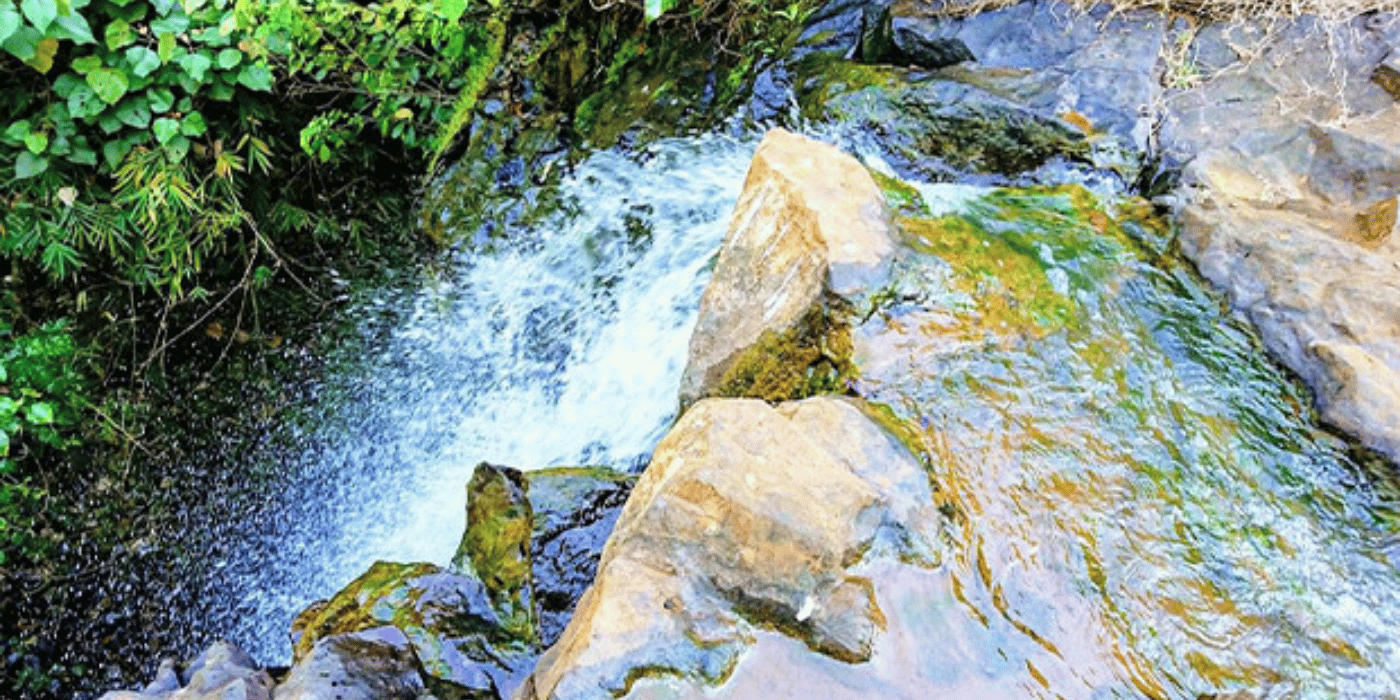
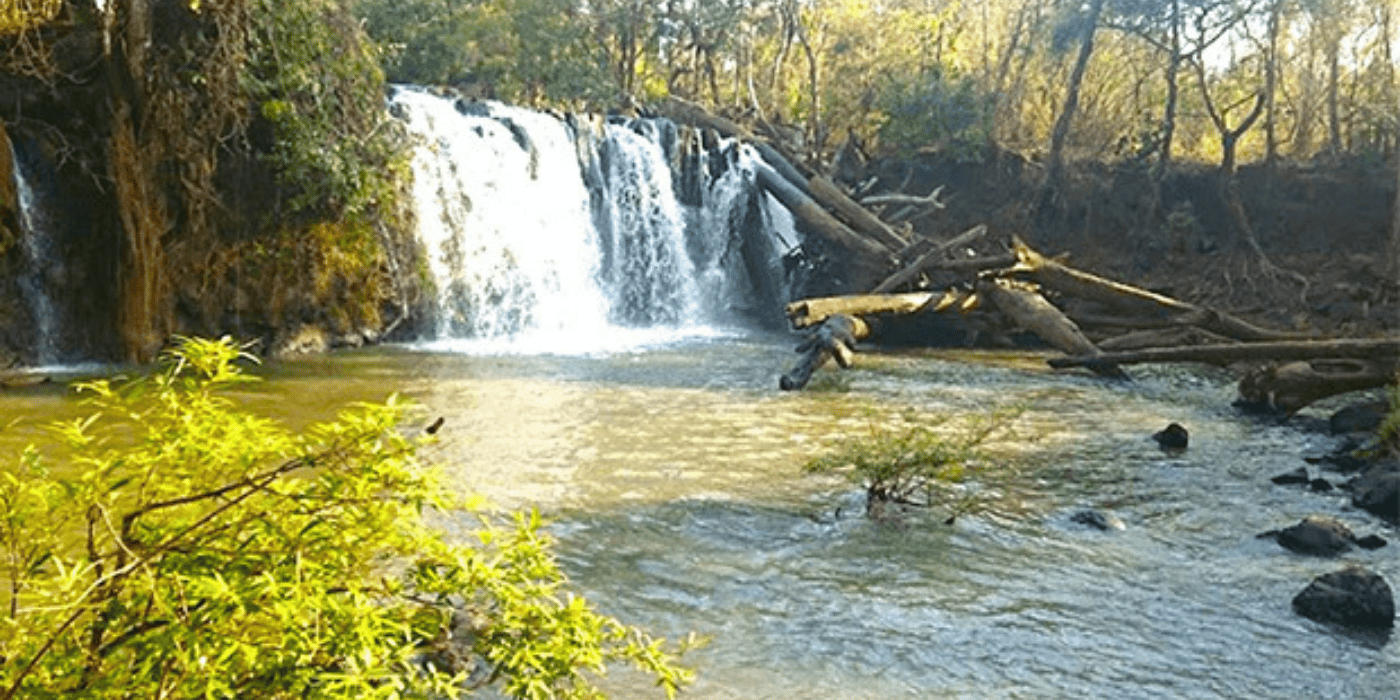
Dak Dam Waterfall is a stunning natural attraction located in Dak Dam town, just a 20-minute drive from Sen Monorom, the capital of Mondulkiri Province. Known for its impressive height and pristine surroundings, this waterfall is nestled within a wild, forested area filled with towering trees and lush greenery. During the rainy season, the waterfall flows with cool, refreshing water that creates a tranquil atmosphere perfect for nature lovers and adventurers alike. Recent improvements have made it easier to explore, with new stairs leading down to the base of the falls, allowing visitors to get closer and fully appreciate the power and beauty of the cascading water.
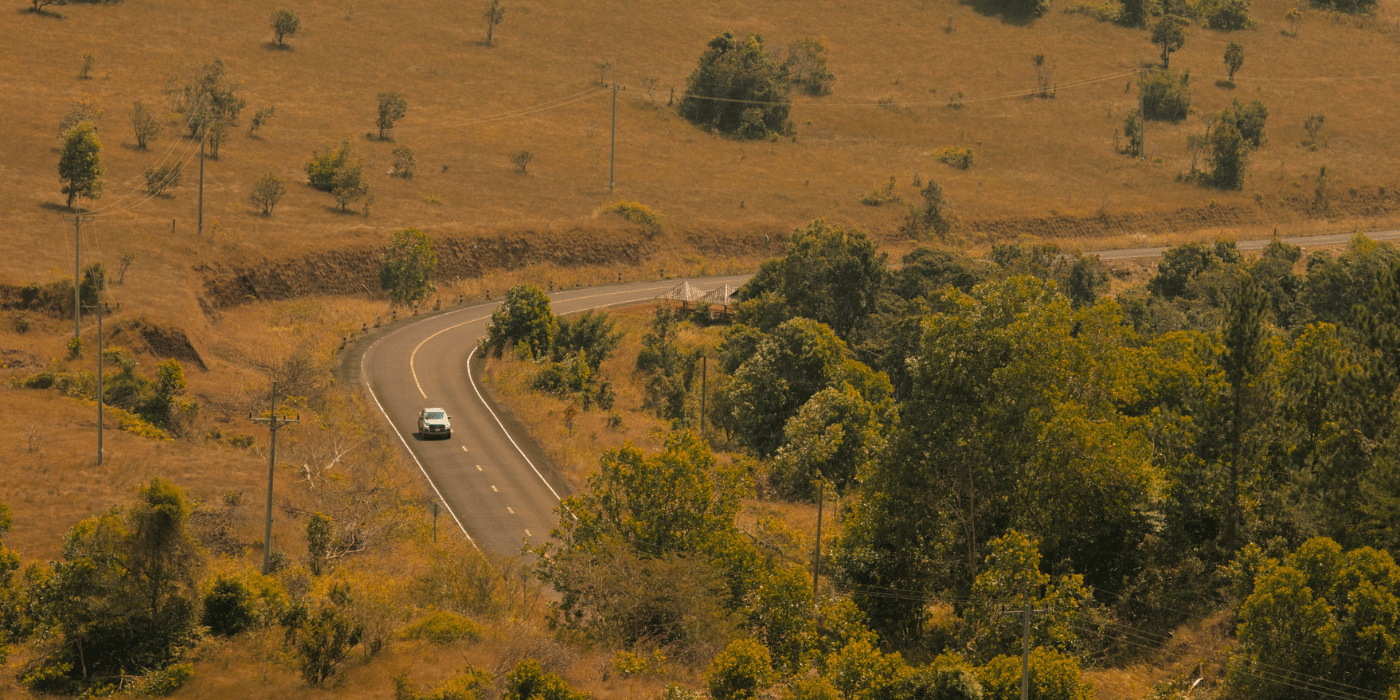
Whether you’re seeking a peaceful escape or an exciting outdoor experience, Dak Dam Waterfall is a must-visit destination when exploring Mondulkiri.
How to Get to Dak Dam Waterfall
By Bus – From Phnom Penh → Mondulkiri:
- One of the operators is KimSeng Express with departures from Phnom Penh and arrival in Sen Monorom: Price. Tickets are roughly US$10–15 one-way. For instance, many are listed at about US$11–13 for KimSeng Express.
Duration: The journey time is approximately 5 to 7 hours, depending on traffic and the type of vehicle you take. For KimSeng Express, the travel time is approximately 5.5-6 hours under good conditions. Best to leave in the morning to avoid arriving late.

By Motorbike Rental: From Sen Monorom → Dak Dam Waterfall:
Price: Motorbike rentals around Sen Monorom cost about US$5-10 per day for a standard small bike. How to Book:
In Sen Monorom, you’ll find motorbike rental shops (guesthouses often arrange them). Ask for a bike suitable for rural roads (road to Dak Dam may include less-paved sections). You may need to leave your passport or pay a deposit (common practice in Cambodia). Check the condition of the bike, fuel level, and ensure you have a helmet and know where to fill fuel.

Best Time to Visit Dak Dam Waterfall:
The best time to visit Dak Dam Waterfall is during or just after the rainy season, which typically lasts from June to October in Mondulkiri Province. During these months, the waterfall is at its most spectacular, with a strong flow of water cascading down the rocks, surrounded by lush green forest. The landscape comes alive with vibrant vegetation, cool mist, and fresh air, making it a perfect time for photography and nature walks.

If you visit between August and October, you’ll experience the ideal balance: the waterfall is full, the trails are accessible, and the weather is pleasantly cool. However, do note that heavy rain can make some dirt roads slippery, so travelling by a sturdy motorbike or 4x4 vehicle is recommended.

The dry season (November to May) is easier for travel, with clear skies and drier roads, but the waterfall’s flow can be quite weak, sometimes reduced to a trickle. Still, this period offers a peaceful setting and is great for exploring the surrounding Bunong villages and countryside.
In summary, while Dak Dam Waterfall can be visited year-round, the months from August to October provide the most rewarding experience, combining accessibility, natural beauty, and a lively, refreshing atmosphere
Activities Around Dak Dam Waterfall
🌿 1. Swimming and Relaxing:
The waterfall has a natural pool at its base where visitors can take a refreshing dip, especially during the warmer months. The cool, clear water and shaded forest surroundings make it a peaceful spot to relax and enjoy nature.
🥾 2. Nature Walks and Trekking:
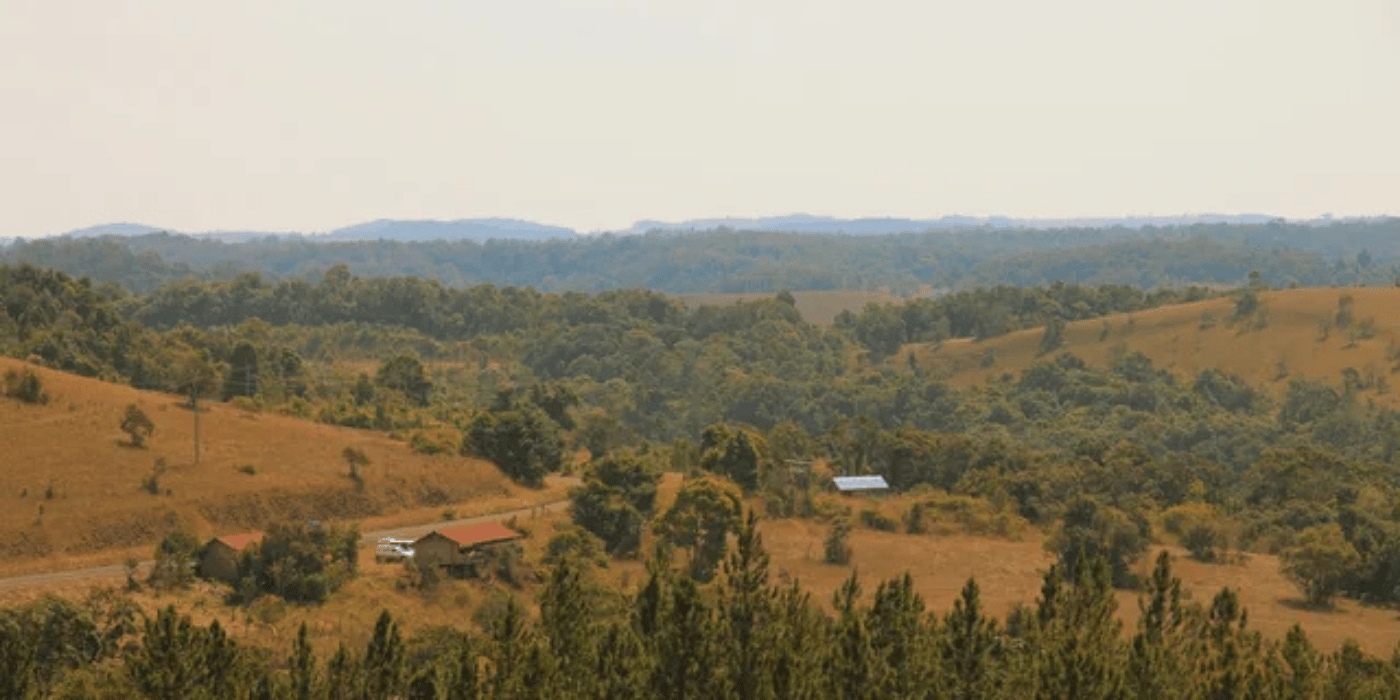
The area around Dak Dam is covered with dense forest and gentle hills, perfect for light hikes or guided treks. Local guides can take you along forest trails where you can see native plants, wildlife, and stunning views of Mondulkiri’s highlands.

📸 3. Photography:
Dak Dam Waterfall is a great place for photography, from the cascading water and jungle greenery to the traditional Bunong villages nearby. Early morning or late afternoon light offers especially beautiful shots.
🏕️ 4. Picnicking:
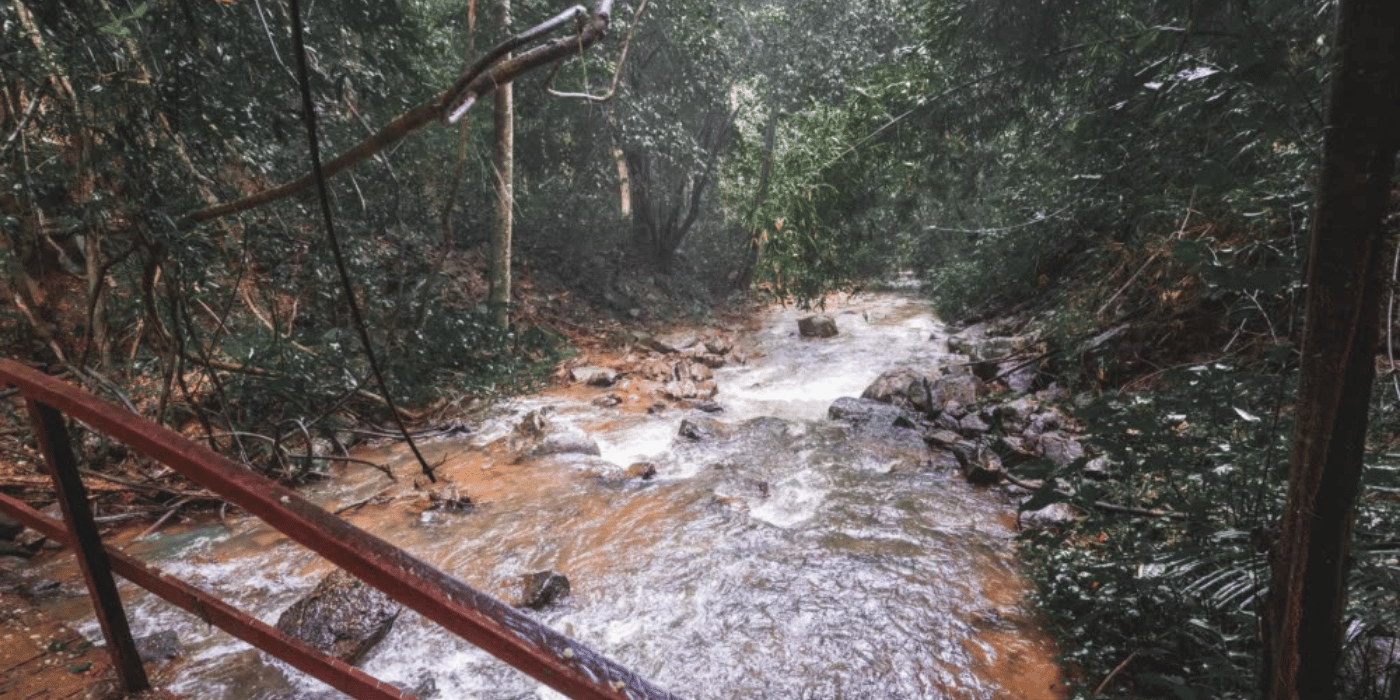
Many visitors bring food and enjoy a picnic near the waterfall. There are open spaces and rocks where you can sit, relax, and enjoy the sound of the water. Just remember to take your trash with you to keep the area clean.
🐘 5. Visiting Bunong Villages:
On the way to the waterfall, you’ll pass through Dak Dam village, home to the Bunong (Phnong) indigenous community. You can visit local homes, learn about their culture, traditional farming, and elephant-keeping heritage. Some tours also include a homestay experience.
🌾 6. Exploring Nearby Attractions:
You can combine your visit with other attractions in the area, such as Bousra Waterfall, Elephant Valley Project, or Sen Monorom town. Many travellers make a full-day or two-day trip exploring the region’s natural and cultural highlights.
Tips for Visiting: Safety, Facilities, and What to Bring
1. Safety Tips:
- Road conditions: The final stretch to the waterfall is often a dirt or red-earth road, which can be slippery after rain. Use a sturdy motorbike or 4x4 vehicle, or hire a local driver.
- Swimming precautions: The water at the base can be deep, and rocks may be slippery. Always supervise children and avoid diving into unknown areas.
- Wildlife awareness: The surrounding forest is home to snakes, insects, and other wildlife. Stay on marked paths and wear closed shoes when trekking.
- Weather: Sudden rain is common during the rainy season. Bring a raincoat and avoid visiting during heavy storms.
2. Facilities:
- Entrance fees: There may be a small local fee (usually a few dollars) to access the waterfall, which supports the village and maintenance.
- Restrooms: Basic public toilets are available, but they may be limited, so plan accordingly.
- Food and drinks: There are a few local stalls near the waterfall offering snacks and drinks, but it’s best to bring your own water and light food.
- Seating and picnic areas: Rocks and shaded spots are available for resting and picnicking.
3. What to Bring:
- Footwear: Comfortable, non-slip shoes for walking on rocks and trails.
- Clothing: Lightweight, quick-dry clothes; a swimsuit if you plan to swim.
- Water and snacks: Carry enough drinking water, especially during hot months.
- Sun protection: Hat, sunglasses, and sunscreen.
- Camera or phone: To capture the waterfall and the surrounding scenery.
- Bug repellent: Mosquitoes and insects are common near water and forest areas.
- Small first aid kit: Just in case of minor cuts, scrapes, or insect bites.
Extra Tips:
- Go early in the day to avoid crowds and enjoy cooler temperatures.
- Respect local customs and the Bunong community, and ask permission before photographing people or private areas.
- Take your trash with you, keep the waterfall and forest clean.
Nearby Attractions and Places to Explore
🌊 1. Bou Sra Waterfall (Bousra Waterfall)
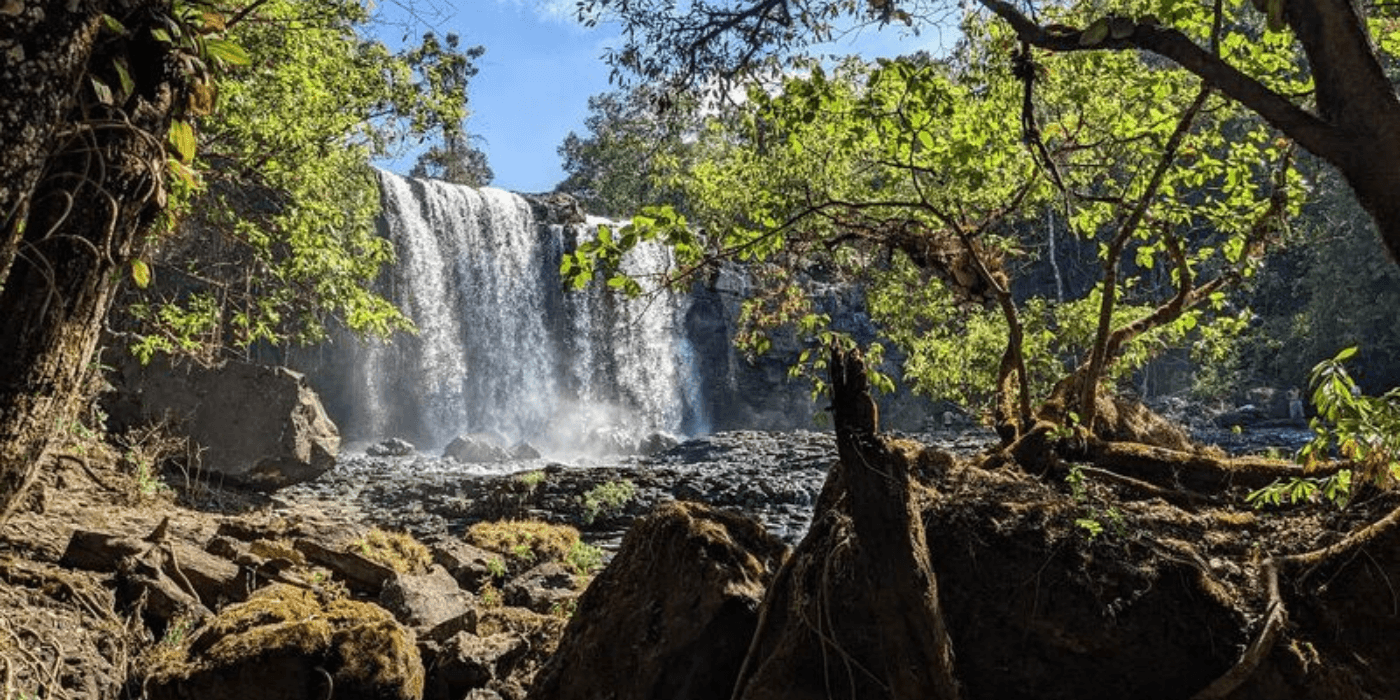
Located approximately 43 km northeast of Sen Monorom, Bou Sra Waterfall is renowned for its triple-tiered cascade, making it one of Cambodia's most iconic waterfalls. The first two tiers are accessible via viewing platforms, offering panoramic views of the surrounding jungle. The area is also home to the indigenous Bunong community, adding cultural depth to the visit.
🏞️ 2. Sen Monorom Town
The provincial capital, Sen Monorom, serves as a gateway to Mondulkiri's attractions. The town offers a range of accommodations, local markets, and eateries. It's also a hub for booking tours to nearby waterfalls, wildlife sanctuaries, and indigenous villages.
🌿 3. Nature Trails and Trekking
Mondulkiri's diverse landscapes, including dense forests and rolling hills, are perfect for trekking enthusiasts. Guided nature walks can lead to hidden waterfalls, panoramic viewpoints, and opportunities to spot local wildlife. The rainy season, from June to October, brings lush greenery, while the dry season offers clearer trails.

🐘 4. Elephant Valley Project (EVP)
Situated about 15 km from Sen Monorom, the Elephant Valley Project is a sanctuary dedicated to the ethical care of elephants. Visitors can learn about the elephants' rehabilitation and observe them in their natural forest habitat, emphasising a no-contact, ethical approach to elephant tourism.
🌾 5. Bunong Villages
The Bunong people, an indigenous group, inhabit several villages around Sen Monorom. Visiting these villages provides insight into traditional farming practices, local crafts, and the community's deep connection to the land. Some villages offer homestay experiences, allowing for immersive cultural exchanges.
Accommodation Options Near Dak Dam Waterfall
The area surrounding Dak Dam Waterfall is rich in both natural beauty and cultural heritage, largely shaped by the Bunong (Phnong) indigenous community who have lived in Mondulkiri for generations. The Bunong people maintain a close relationship with the forest, which they regard as sacred, relying on it for food, medicine, and spiritual practices. Many families still live in traditional wooden stilt houses, practice shifting cultivation, and keep livestock, blending traditional ways of life with modest modern adaptations. Visitors to Dak Dam can experience authentic Bunong culture by exploring local villages, joining guided eco-tours, or staying in homestays where they can learn about traditional farming, forest crafts, and herbal medicine. The community also plays a growing role in eco-tourism and conservation projects, helping to protect the region’s waterfalls, forests, and wildlife while sharing their culture with visitors. When engaging with locals, it’s important to be respectful, ask permission before taking photos, avoid disrupting village life, and support community-run initiatives by purchasing handmade crafts or hiring local guides. Through mindful travel, visitors not only discover the beauty of Dak Dam but also contribute to preserving the Bunong people’s unique traditions and sustainable way of living.

Final Thoughts: Why Dak Dam Waterfall is a Must-Visit in Mondulkiri
Dak Dam Waterfall stands out as one of Mondulkiri’s hidden gems, offering a perfect balance of natural beauty, cultural depth, and peaceful seclusion. Unlike the more popular Bousra Waterfall, Dak Dam remains relatively untouched, allowing visitors to experience the serenity of Cambodia’s highlands without large crowds. The journey there, through rolling hills, dense forests, and traditional Bunong villages, reveals the province’s rustic charm and natural richness. Once at the falls, the sight of cool, cascading water surrounded by lush greenery creates a tranquil atmosphere ideal for relaxation, photography, and reflection. Beyond its scenic appeal, Dak Dam offers meaningful cultural encounters with the Bunong community, whose connection to the land adds spiritual and cultural significance to the area. Whether you’re a nature lover, photographer, or traveler seeking authenticity, Dak Dam Waterfall captures the essence of Mondulkiri, wild, welcoming, and deeply connected to nature. Its blend of natural wonder and cultural authenticity makes it a must-visit destination for anyone exploring Cambodia’s eastern highlands.