
Tuol Sleng Genocide Museum: A Guide to Cambodia’s Dark History
By Vimean Soksan · November 24, 2025 · Top Place to Visit
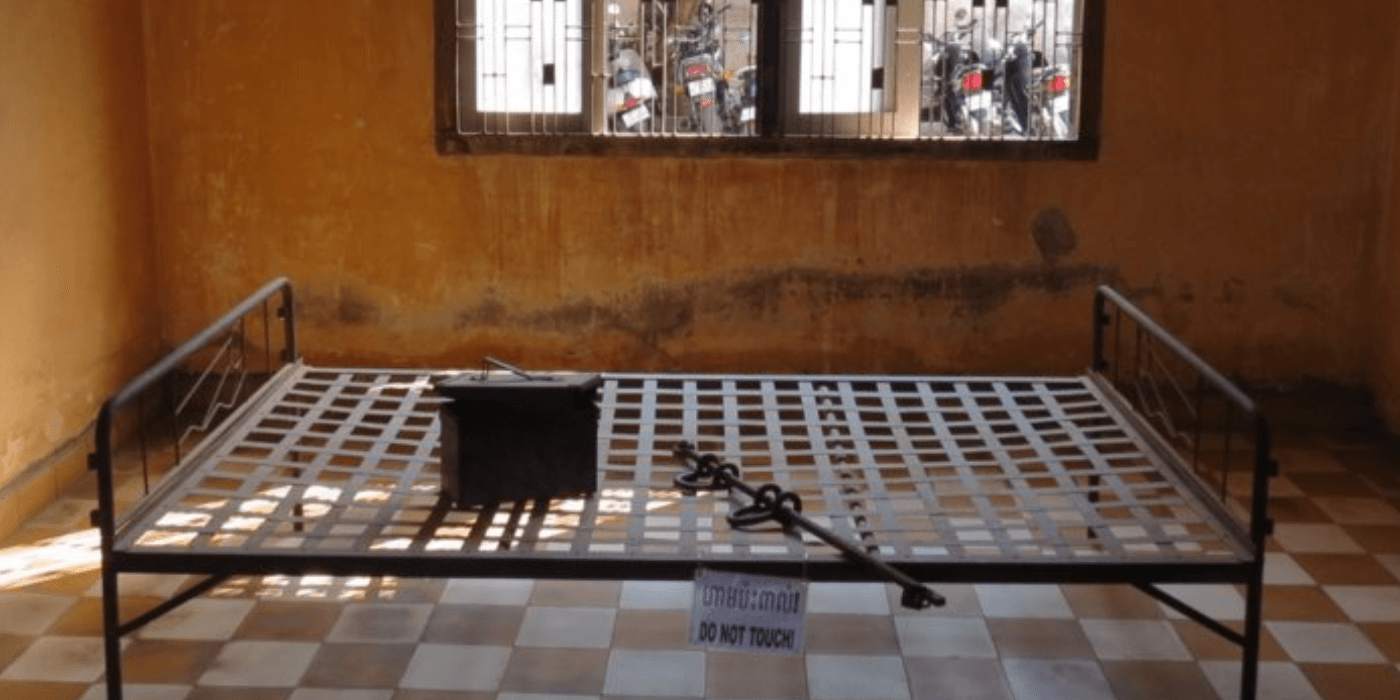
The Tuol Sleng Genocide Museum, located in the heart of Phnom Penh, Cambodia, stands as one of the most haunting and powerful reminders of the atrocities committed during the Khmer Rouge regime. Once a peaceful high school, the site was transformed into Security Prison 21 (S-21), a place of unimaginable suffering between 1975 and 1979.
Today, Tuol Sleng serves as a memorial and educational museum, preserving Cambodia’s painful history to ensure that such horrors are never forgotten. Visiting this site is not easy, but it offers a deep and sobering insight into the resilience of the Cambodian people and their journey toward healing.

In this comprehensive guide, we’ll explore the history and significance of the Tuol Sleng Genocide Museum, sharing practical tips to help you prepare for your visit. Whether you’re a history enthusiast, a student of human rights, or a traveller seeking understanding, this article will help you navigate one of the most important and moving landmarks in Cambodia.
🕯️ The History of Tuol Sleng Genocide Museum
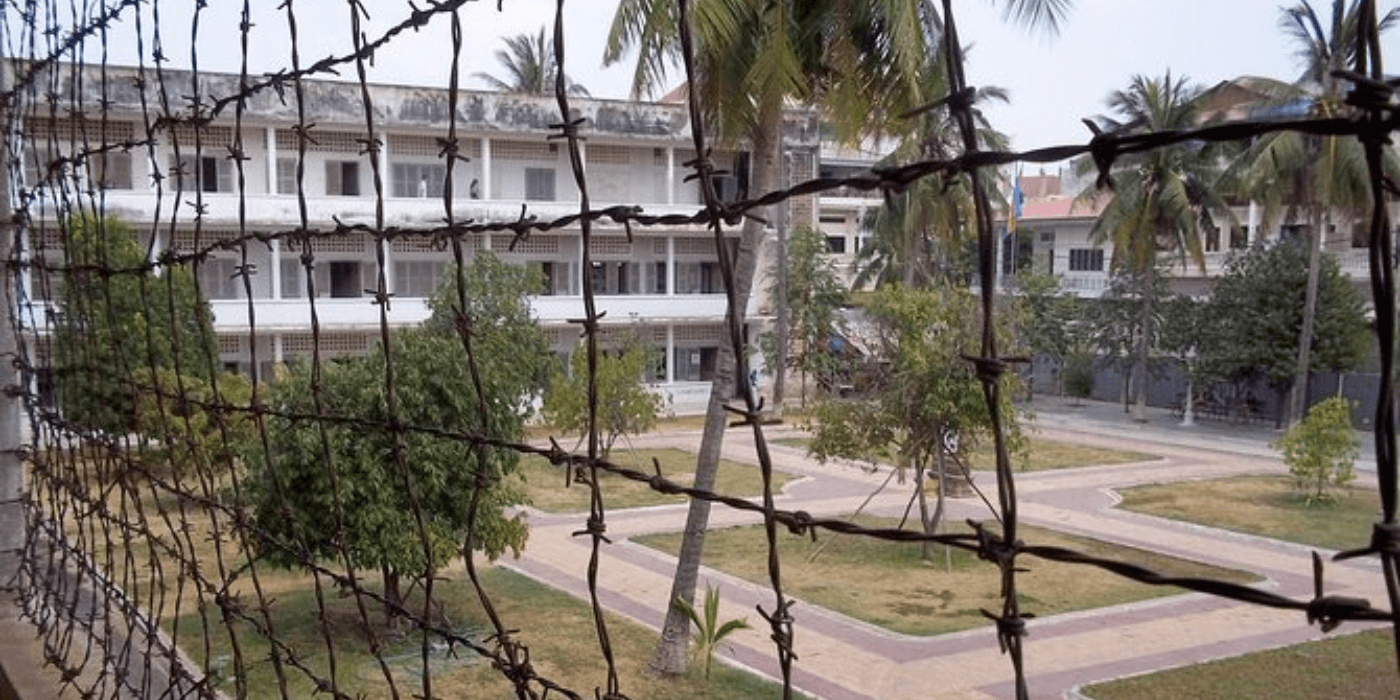
Before the rise of the Khmer Rouge in 1975, the site of the Tuol Sleng Genocide Museum was a peaceful high school known as Tuol Svay Prey, where students came to learn and pursue their education in central Phnom Penh. However, when Pol Pot and his regime seized power, the school was forcibly transformed into Security Prison 21 (S-21), becoming one of the most notorious detention and interrogation centres in Cambodia. The Khmer Rouge aimed to create a classless, agrarian society, but their radical policies led instead to one of the most devastating genocides of the 20th century, claiming the lives of an estimated 1.7 million people through execution, forced labour, starvation, and disease. Between 1975 and 1979, 17,000 to 20,000 men, women, and children were imprisoned at S-21, including teachers, doctors, engineers, religious figures, and even members of the Khmer Rouge accused of betrayal. Inside the prison, detainees endured unimaginable torture and were coerced into confessing crimes they did not commit, often under extreme duress, before being transported to the Killing Fields of Choeung Ek for execution. The prison became a symbol of fear and oppression, and tragically, only seven known survivors lived to tell their stories. After the fall of the Khmer Rouge in 1979, the site was preserved and transformed into the Tuol Sleng Genocide Museum, both to honour the victims and to educate future generations about the horrors of the regime. Today, visitors can walk through the preserved classrooms and cells, see the haunting black-and-white photographs of prisoners, and examine the instruments of torture that testify to the cruelty endured here. The museum stands as a solemn and powerful reminder of the consequences of totalitarianism, while also highlighting the resilience and courage of the Cambodian people who survived and rebuilt their country. Visiting Tuol Sleng is a deeply moving experience that offers both a historical lesson and a moment for reflection on humanity, remembrance, and the importance of never forgetting the past.
Inside the Tuol Sleng Genocide Museum: What to Expect

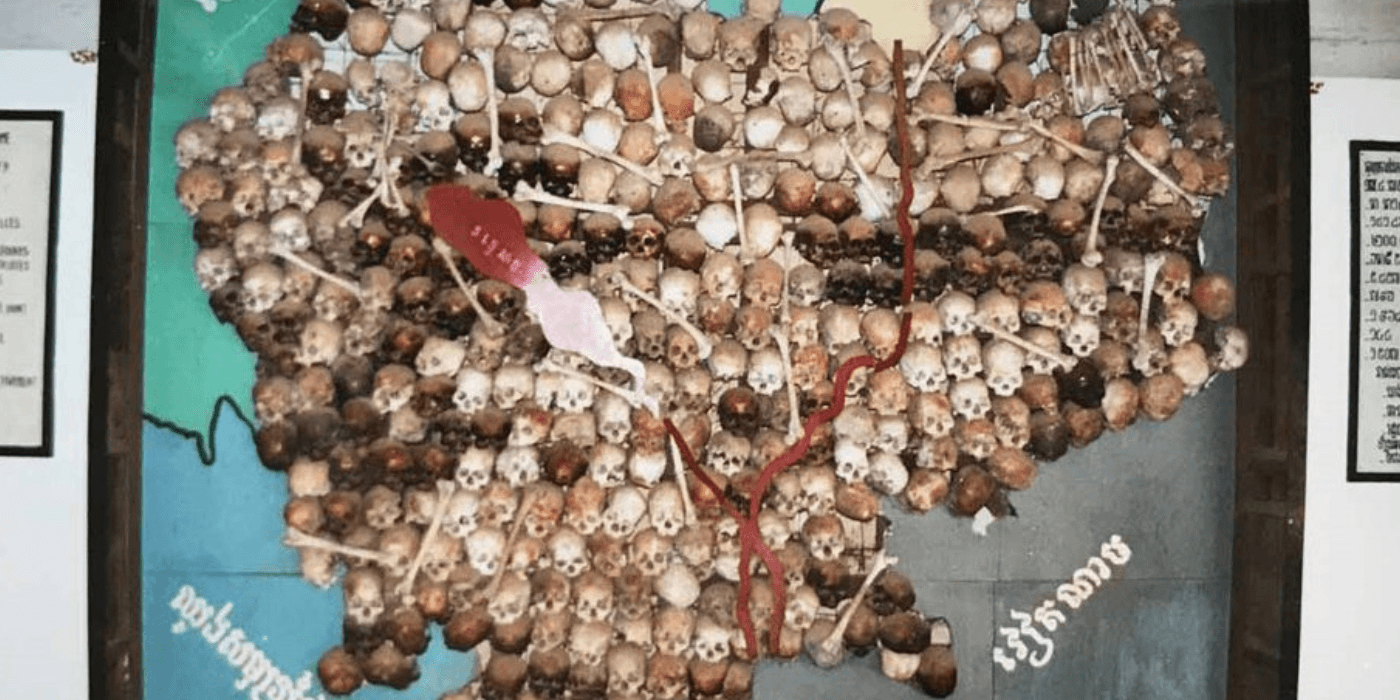
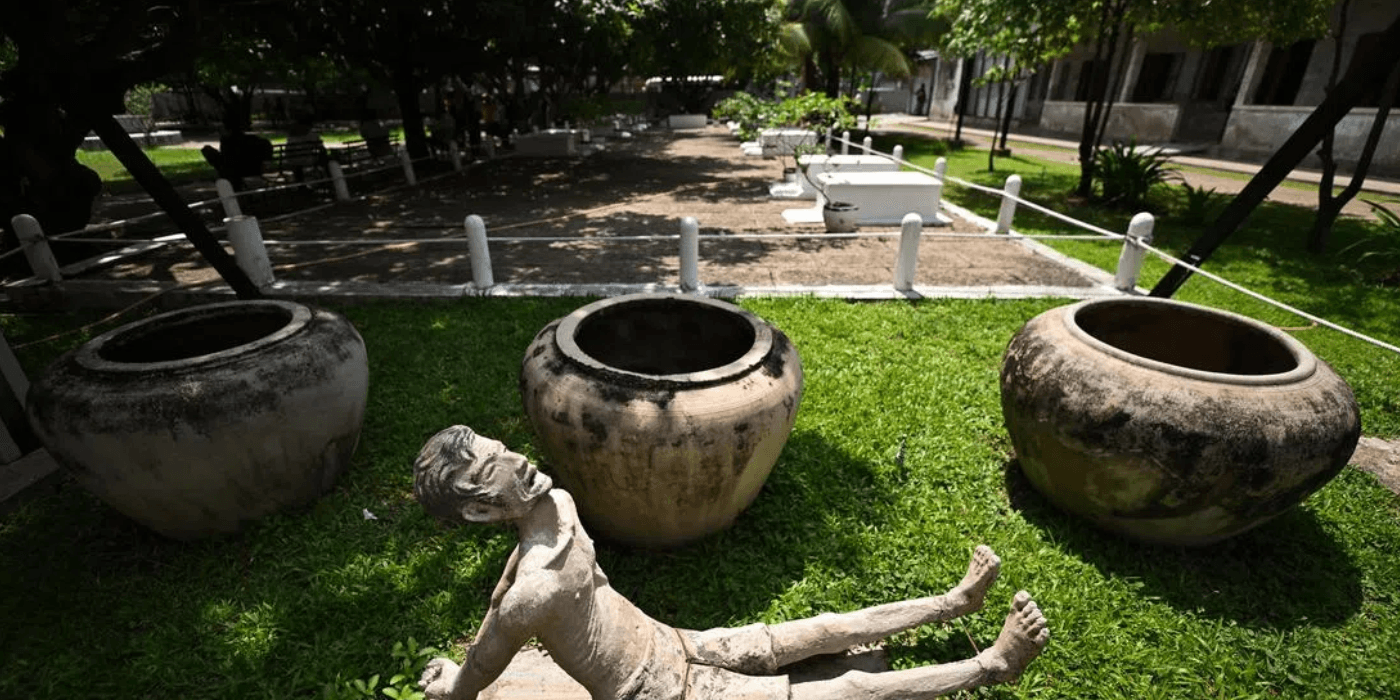
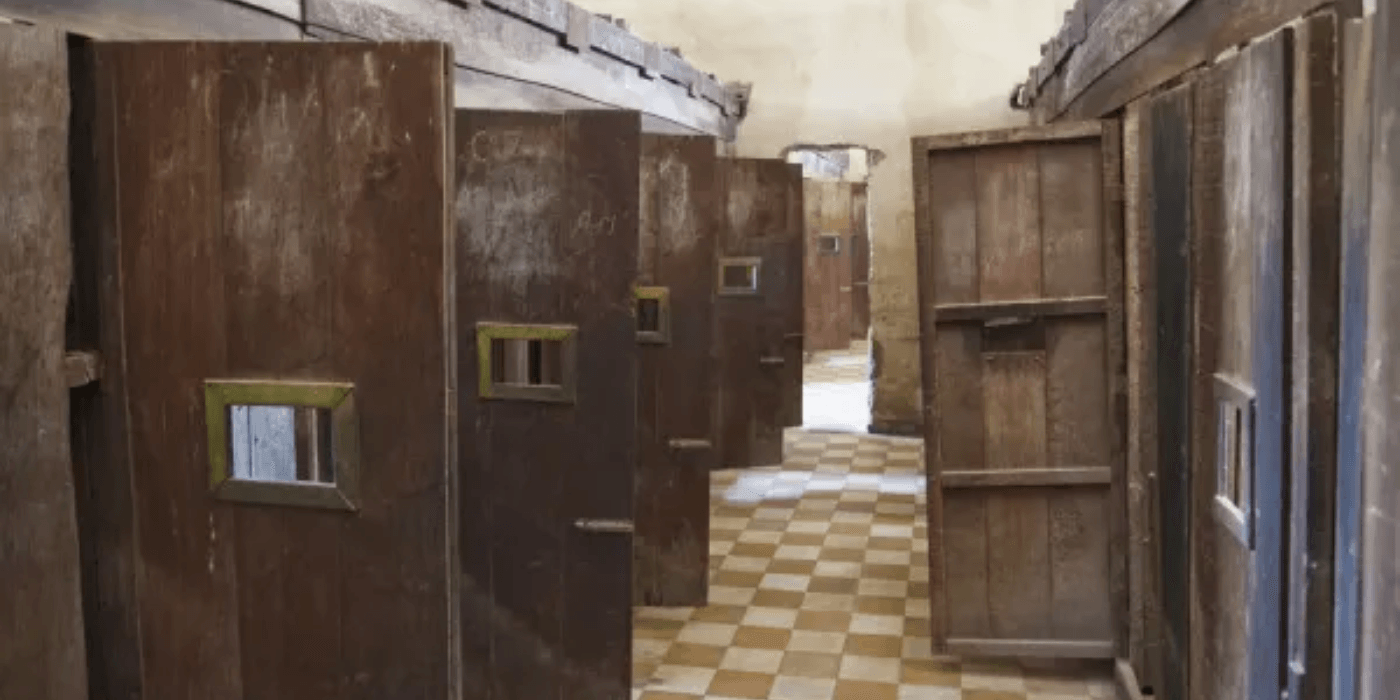
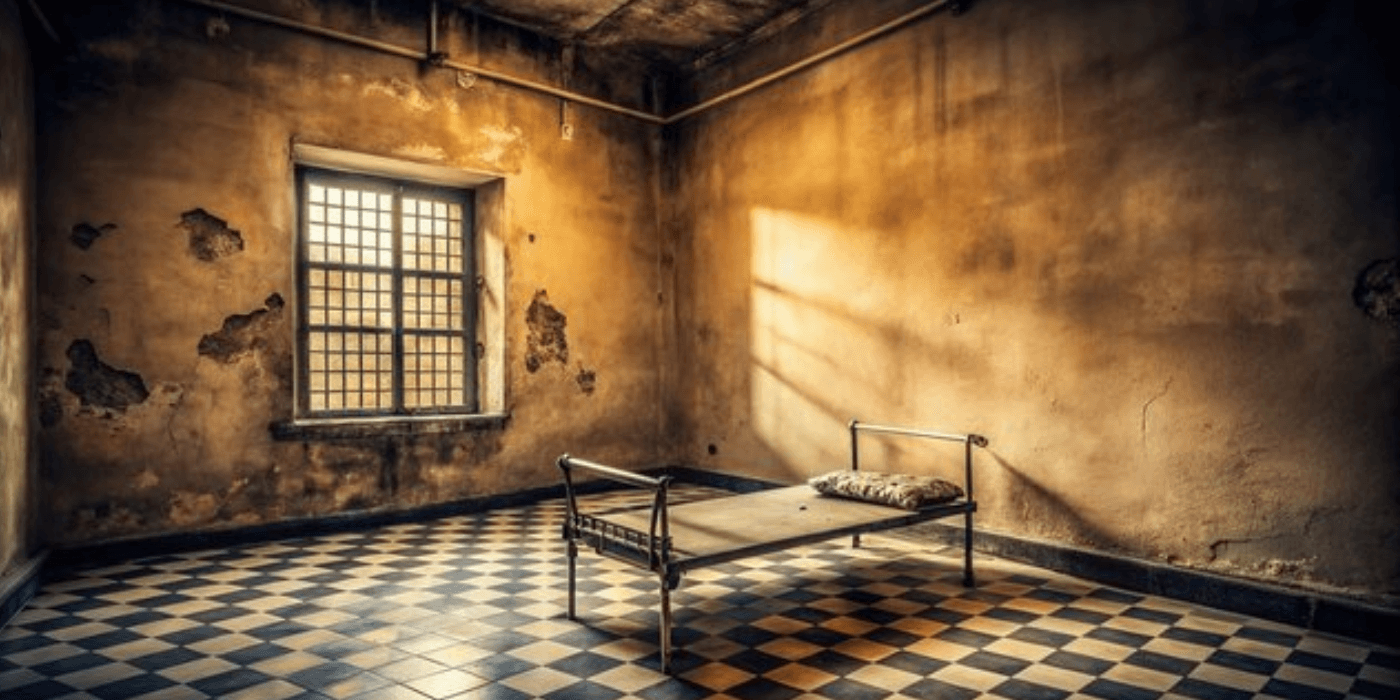
Visiting the Tuol Sleng Genocide Museum is a profoundly moving experience, as the site is meticulously preserved to convey the horrors of the Khmer Rouge regime while honouring the memory of its victims. The museum is divided into four main buildings, each offering a unique glimpse into the dark history of S-21. Building A, once classrooms, was converted into prison cells, and the walls are now lined with hundreds of haunting black-and-white photographs of men, women, and children who were tortured and executed here, many with hauntingly vacant expressions that capture the human cost of political terror. Building B displays an array of instruments of torture, shackles, and other prison tools, alongside original prisoner confessions written under duress and personal artefacts such as clothing, letters, and photographs, all of which vividly illustrate the brutality faced by those incarcerated. Building C preserves the original prison cells, some measuring barely a few square meters, where detainees were confined in overcrowded, unsanitary conditions, often chained to iron beds or forced to sit for hours in agony. Finally, Building D houses a memorial stupa, a solemn structure containing the skulls and bones of victims, which stands as both a tribute and a chilling reminder of the scale of the atrocities committed. As visitors walk through the grounds, they can feel the weight of history in the silent classrooms, the narrow corridors, and the sombre memorials, making Tuol Sleng not just a museum but a deeply educational and reflective space. The careful curation of photographs, documents, and artefacts ensures that each visitor leaves with a deeper understanding of Cambodia’s tragic past, the resilience of its people, and the enduring importance of remembering and learning from history.
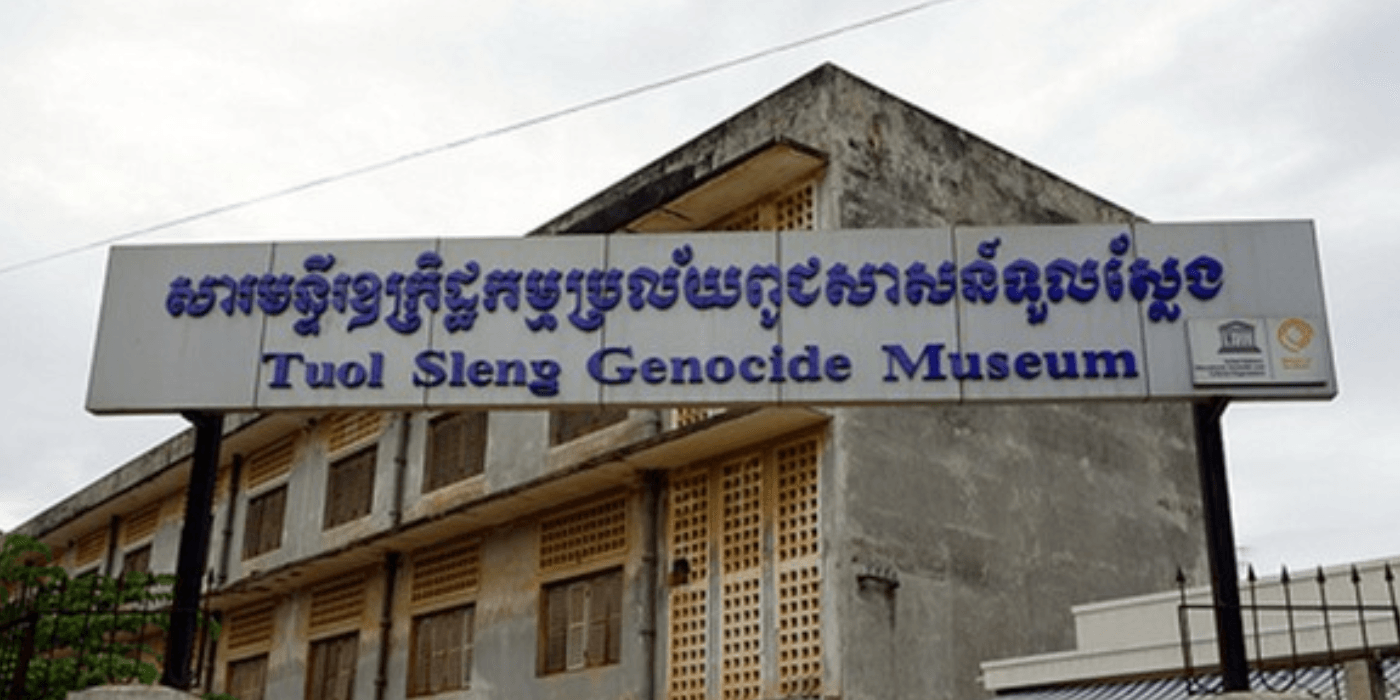
Planning Your Visit to the Tuol Sleng Genocide MuseumThe Tuol Sleng Genocide Museum is located in the heart of Phnom Penh, at the corner of Street 113 and Street 350, making it easily accessible from most parts of the city. The museum is open daily from 8:00 AM to 5:00 PM, giving visitors ample time to explore the grounds and exhibits. Admission is $5 USD, which includes access to an informative audio guide available in multiple languages, providing context and personal stories that bring the history to life. For a deeper understanding of the museum and its history, consider hiring a local guide or joining a guided tour. Many guides have personal connections to the events or are survivors themselves, offering unique insights that you won’t find in books or displays.
Tips for Visitors who plan to visit the Tuol Sleng Museum
Visiting Tuol Sleng can be an emotional experience, so it’s important to prepare appropriately. Dress respectfully, covering shoulders and knees, as a sign of respect at this solemn site. Be ready for the intensity of the exhibits, which are graphic and can be distressing; take breaks if needed to process the experience. Since much of the museum is outdoors, bring water and sunscreen to stay comfortable in the Cambodian heat. Above all, respect the space, avoid taking selfies or behaving inappropriately. Tuol Sleng is a place of remembrance and reflection, where visitors honour the lives of the thousands who suffered and perished under the Khmer Rouge regime.
Adventure Beyond the Museum: Exploring Phnom Penh
While the Tuol Sleng Genocide Museum is an essential stop for understanding Cambodia’s tragic history, Phnom Penh has much more to offer travellers seeking to immerse themselves in the city’s vibrant culture, stunning architecture, and riverside charm. A visit to the Royal Palace and Silver Pagoda is a must. The palace, still the residence of Cambodia’s royal family, showcases grand Khmer architecture, ornate gilded halls, and manicured gardens. Within its grounds, the Silver Pagoda dazzles with a floor made of thousands of silver tiles and a collection of priceless Buddha statues, including the famed Emerald Buddha. It is a perfect place to learn about the monarchy, religious traditions, and artistic heritage of Cambodia.

Just a short walk away, the National Museum of Cambodia offers another window into the country’s rich past. Its extensive collection includes ancient stone sculptures, ceramics, ritual objects, and traditional art, representing centuries of Khmer culture. Visitors can explore exhibits ranging from the pre-Angkorian era to modern times, gaining a deeper appreciation for Cambodia’s enduring artistic and spiritual traditions.
For those who enjoy shopping and local markets, the Russian Market (Psar Toul Tom Poung) is an essential stop. Known for its vibrant atmosphere, the market is a treasure trove of handicrafts, textiles, souvenirs, antiques, and local delicacies. It’s a great place to practice your bargaining skills while discovering unique items to take home, from handwoven scarves to silver jewellery and traditional Cambodian snacks.
To relax and take in the natural beauty of Phnom Penh, a Mekong River cruise is highly recommended. The river winds through the heart of the city, offering panoramic views of the skyline, historic riverside buildings, and daily life along the banks. Sunset cruises are particularly popular, providing breathtaking views as the city transitions from day to night. Some cruises also include dinner, traditional performances, or opportunities to observe local fishing and river activities, adding a cultural dimension to the experience.
Beyond these highlights, Phnom Penh is filled with hidden gems for adventurous traveller. Stroll along Sisowath Quay, a lively riverside promenade lined with cafes, restaurants, and street performers. Visit Wat Phnom, the city’s sacred hilltop temple, for panoramic views and a taste of local religious life. For history enthusiasts, the Choeung Ek Genocidal Centre (Killing Fields) offers further insight into Cambodia’s tragic past, complementing the experience at Tuol Sleng.
From royal palaces to bustling markets and serene river cruises, Phnom Penh offers a rich blend of history, culture, and leisure activities. Exploring beyond the museum allows visitors to see the resilience, creativity, and vibrant life of the Cambodian people, ensuring that your trip to the capital is not only educational but also immersive and unforgettable.
Why the Tuol Sleng Genocide Museum Matters
The Tuol Sleng Genocide Museum is far more than a tourist attraction; it is a powerful educational resource and a solemn tribute to the thousands of lives lost under the Khmer Rouge regime. By preserving the site and its extensive exhibits, the museum ensures that the atrocities committed between 1975 and 1979 are never forgotten. The photographs, personal belongings, and prison cells confront visitors with the stark realities of totalitarian rule, serving as a chilling reminder of the importance of human rights, justice, and vigilance against oppression.
At the same time, the museum stands as a symbol of resilience and hope. Despite its dark history, Cambodia has demonstrated remarkable strength in rebuilding its society and honouring the memory of those who suffered. The preservation of Tuol Sleng reflects the determination of the Cambodian people to confront the past, educate future generations, and transform a site of horror into a place of reflection, learning, and remembrance.
Visiting the museum is also a call to action for everyone who walks its halls. It invites reflection not only on the past but also on contemporary issues of genocide, injustice, and human rights violations around the world. The lessons embedded in Tuol Sleng remind us of our shared responsibility to prevent history from repeating itself and to stand up for justice, compassion, and humanity in the face of oppression. In this way, a visit to Tuol Sleng is both deeply moving and profoundly relevant, leaving a lasting impact on every visitor.
Final Thoughts
Visiting the Tuol Sleng Genocide Museum is a deeply moving and unforgettable experience, offering a profound glimpse into one of the darkest chapters of human history. While the exhibits can be emotionally challenging, they provide invaluable insight into the atrocities of the Khmer Rouge and the resilience of the Cambodian people. Walking through the former prison, seeing the photographs of victims, and reflecting on the stories of survival encourages visitors to confront the past with empathy and understanding.
A trip to Tuol Sleng is more than just a historical visit; it is a tribute to the memory of the thousands of lives lost and a reminder of the importance of human rights, justice, and compassion in today’s world. By exploring the museum, you honours the victims, preserve their stories, and gain a deeper appreciation for Cambodia’s journey of recovery and resilience.
Whether you are a history enthusiast, a thoughtful traveller, or someone seeking a meaningful connection to the human experience, the Tuol Sleng Genocide Museum is a destination that leaves a lasting impression. Plan your visit with an open heart and mind, and prepare to be moved, educated, and inspired by Cambodia’s complex and compelling history.